Mountain
Download Itinerary

Panch Kedar Yatra

Kedar Valley, Uttarakhand

Region

Uttarakhand

Base Camp

Kedar Valley

Altitude

3,678 m.

Duration

12 D / 11 N

Duration

May - June, Sept - Oct

Walking Difficulty

Hard

Walking Distance

130 KM

Wheelchair

Not Available

Overview

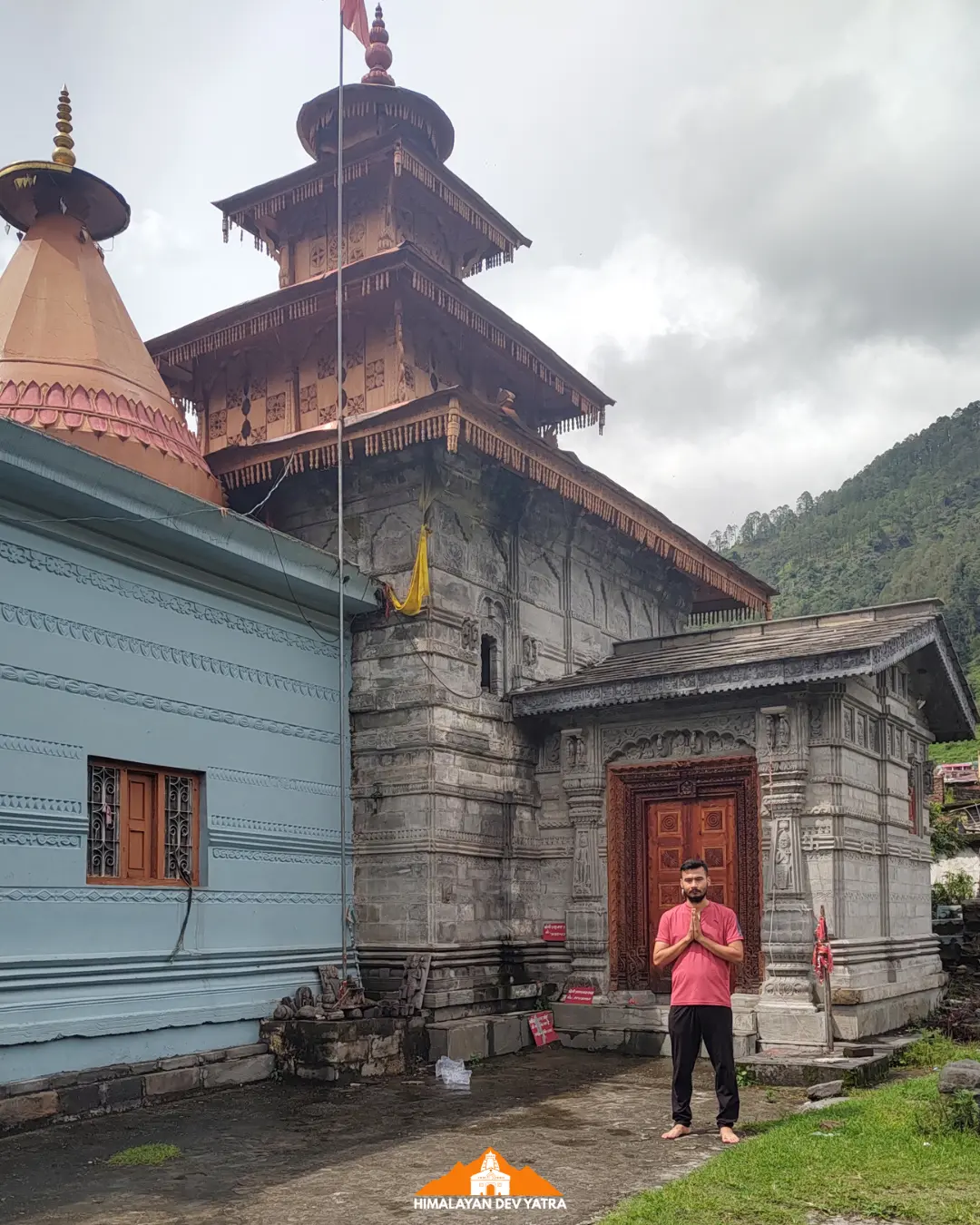
The Panch Kedar Yatra in Uttarakhand takes you to the five Shiva temples of Garhwal over 12 days. These include Kedarnath, Madhyamaheshwar, Tungnath, Rudranath, and Kalpeshwar. Only Kalpeshwar is accessible by road. The other four temples require trekking through deep forests, alpine meadows, and remote villages. The yatra suits physically fit travellers and first-timers who are well-prepared. Among the five temples, the Rudranath trek can be very challenging.

The Panch Kedar journey begins and ends in Rishikesh. From Rishikesh, the route climbs to Kedarnath, drops to Ransi for Madhyamaheshwar, and crosses to Chopta for Tungnath. It finally reaches Sagar, the base for Rudranath. Kalpeshwar is a short walk from the road in the Urgam valley, with Badrinath darshan before the drive home.

The yatra requires you to cover 115 km with about 9 full days of trekking. Rudranath trek covers around 20 km each way. It feels longer because the trail climbs to nearly 12,450 feet at Pitradhar before dropping to the temple.

Kedarnath opened on April 22 this year, and the other three followed through May. Kalpeshwar stays open throughout the year. Since Rudranath closes on October 17, the best time to visit the circuit is in May, June, September, and early October.

Char Dham registration is mandatory for Kedarnath and Badrinath. For Rudranath and Madhyamaheshwar, you need forest permits to visit Kedarnath Wildlife Sanctuary. Our team handles everything once you book.
Day-by-day Itinerary

Day 1

Rishikesh to Sonprayag

Our journey starts from Rishikesh. Leave the town by 6 am as the road drive is long and the last stretch after Rudraprayag is slow. The route follows the Ganga River to Devprayag, where the Alaknanda and Bhagirathi meet. Then it climbs along the Alaknanda past Srinagar to Rudraprayag.

If time permits, we can visit Dhari Devi Temple on the way. We will have lunch at a dhaba on the way. From Rudraprayag, the road turns up the Mandakini valley through Agastyamuni and Guptkashi, and we reach Sonprayag by evening.

Check in, eat, and sleep early.

Day 2

Sonprayag to Gaurikund and trek to Kedarnath

Private vehicles are not allowed past Sonprayag, so we take a shared jeep to Gaurikund after breakfast. Your registration QR is scanned here. The trail starts at the far end of the Gaurikund market. It is a wide paved path with tea stalls the whole way, but it climbs without a break.

After ascending for about 4 km, we will arrive at Jungle Chatti, cross the Mandakini River bridge near the old Rambara site, and reach Bheembali at around 7 km. The climb from Bheembali to Lincholi (11 km) is the steepest section. After Lincholi, the valley opens up, and the temple comes into view with the Kedar Dome behind it.

We reach by late afternoon, settle into our stay near the temple, and go for the evening aarti if legs allow. Ponies and palkis can be booked at Gaurikund for anyone who needs them.

Day 3

Kedarnath darshan, descend to Gaurikund and to Sonprayag

The temple opens early, and the queue is short during these morning hours. We do darshan first thing, then visit the Adi Shankaracharya samadhi next to the temple. There is Bhairavnath temple on the ridge behind if time and weather allow.

Have your breakfast, then descend. Going down is easier on the lungs and harder on the knees, so use a pole. After reaching, take a shared jeep from Gaurikund back to Sonprayag.

Day 4

Sonprayag to Ransi and trek to Gaundhar

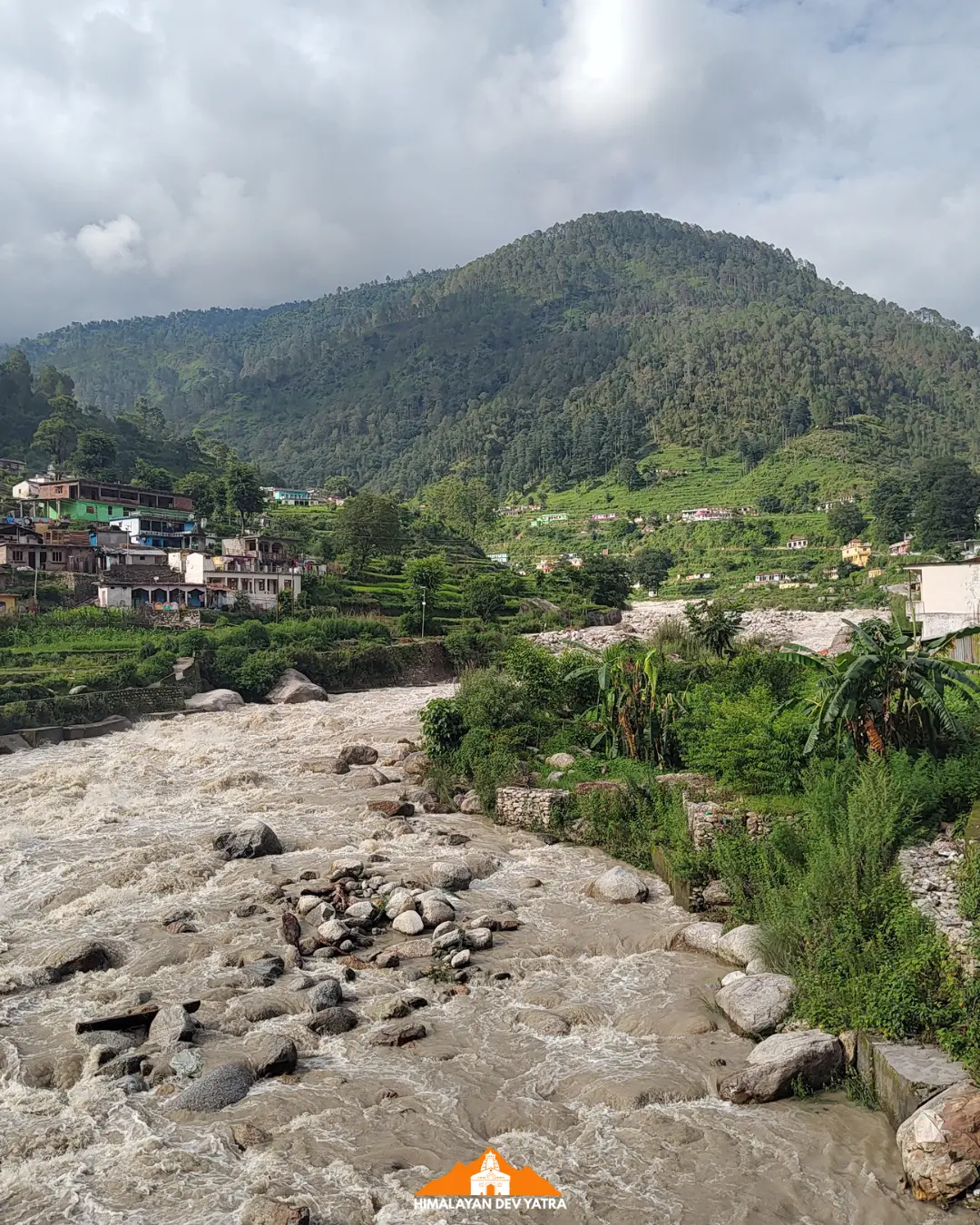
After breakfast, we will drive to Ukhimath and on to Ransi, the last road point for Madhyamaheshwar. The trek starts a kilometre past the village at Agtoli Dhar. It is a mostly downhill stone path through the forest. You will encounter a bridge near the Bheem Si Gadera waterfall and the Devi Dhar temple around the halfway mark. Gaundhar is located along the Madhu Ganga stream, just 1 km before it meets the Morkhanda (Markanda) stream at Bantoli.

Day 5

Gaundhar to Madhyamaheshwar

The trail descends about 1 km to Bantoli, at the confluence of the Madhu Ganga and Morkhanda streams. We will cross the confluence and then climb for the rest of the day. The stops at Khadara Khal, Nanu Chatti, and Kun Chatti have many shops. After Kun Chatti, there is nothing until the temple, so fill your bottles there.

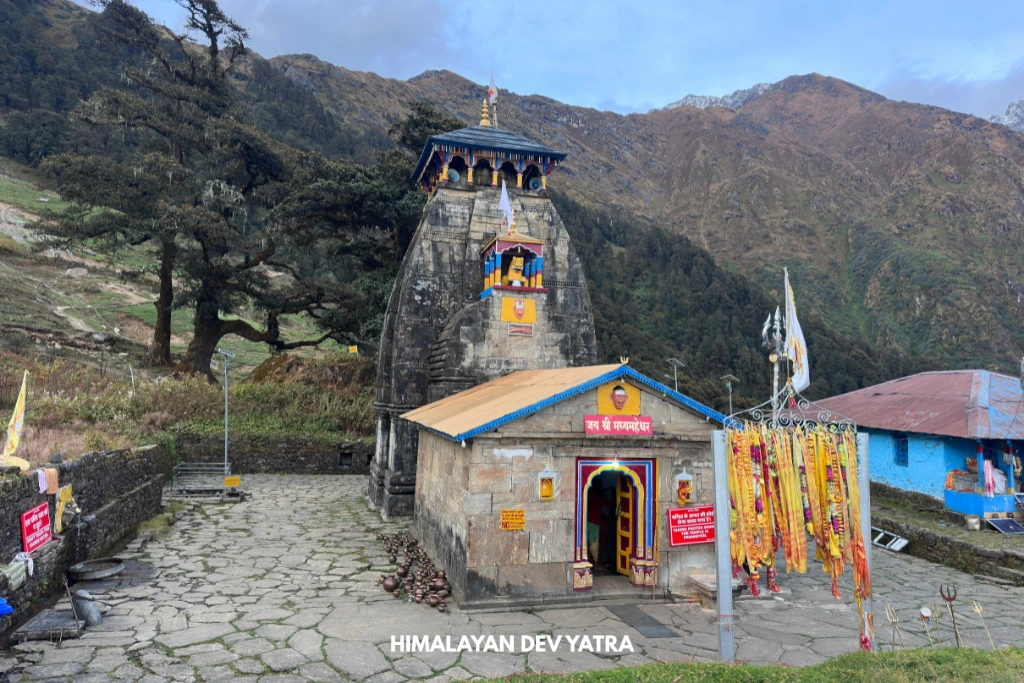
The last section is steep switchbacks through rhododendron forest, then a flat walk across the meadow to the temple. At Madhyamaheshwar, the navel of the bull is worshipped. There is Amrit Kund inside the compound, with small shrines to Goddess Parvati and Bhairav beside the main temple.

Day 6

Madhyamaheshwar to Ransi and drive to Ukhimath

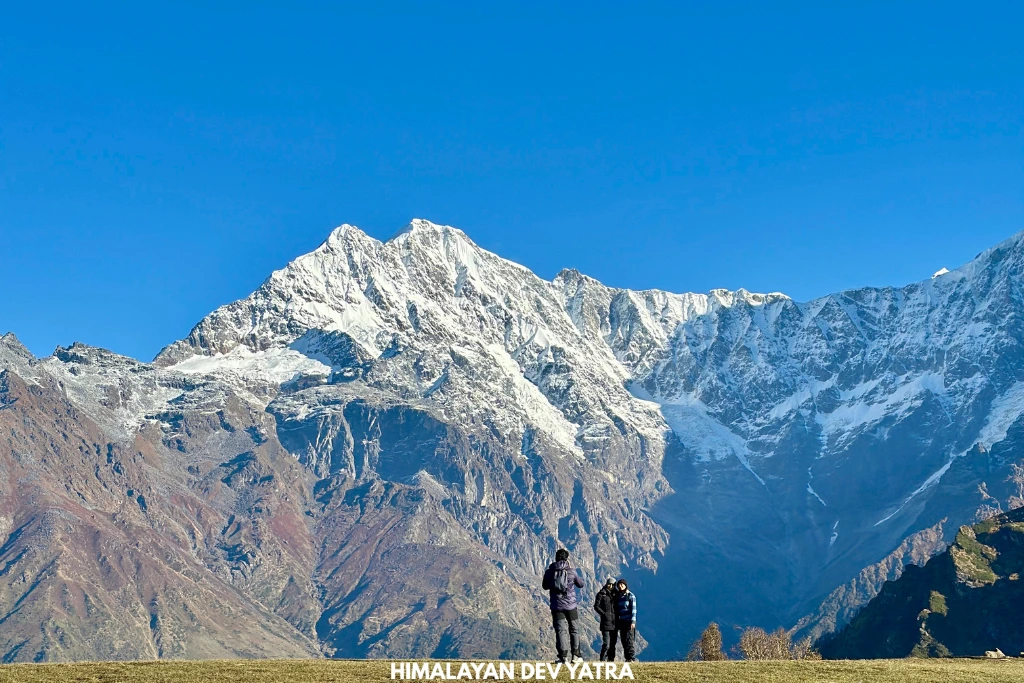
If the sky is clear, we will go up to Budha Madhyamaheshwar before breakfast. It is located 2 km above the meadow, and Chaukhamba fills the horizon from the top. Then a long descent along the same route to Ransi and a drive to Ukhimath.

Ukhimath is the winter seat of both Kedarnath and Madhyamaheshwar, so if there is daylight left, we visit Omkareshwar temple.

Day 7

Ukhimath to Chopta Tungnath, drive to Sagar

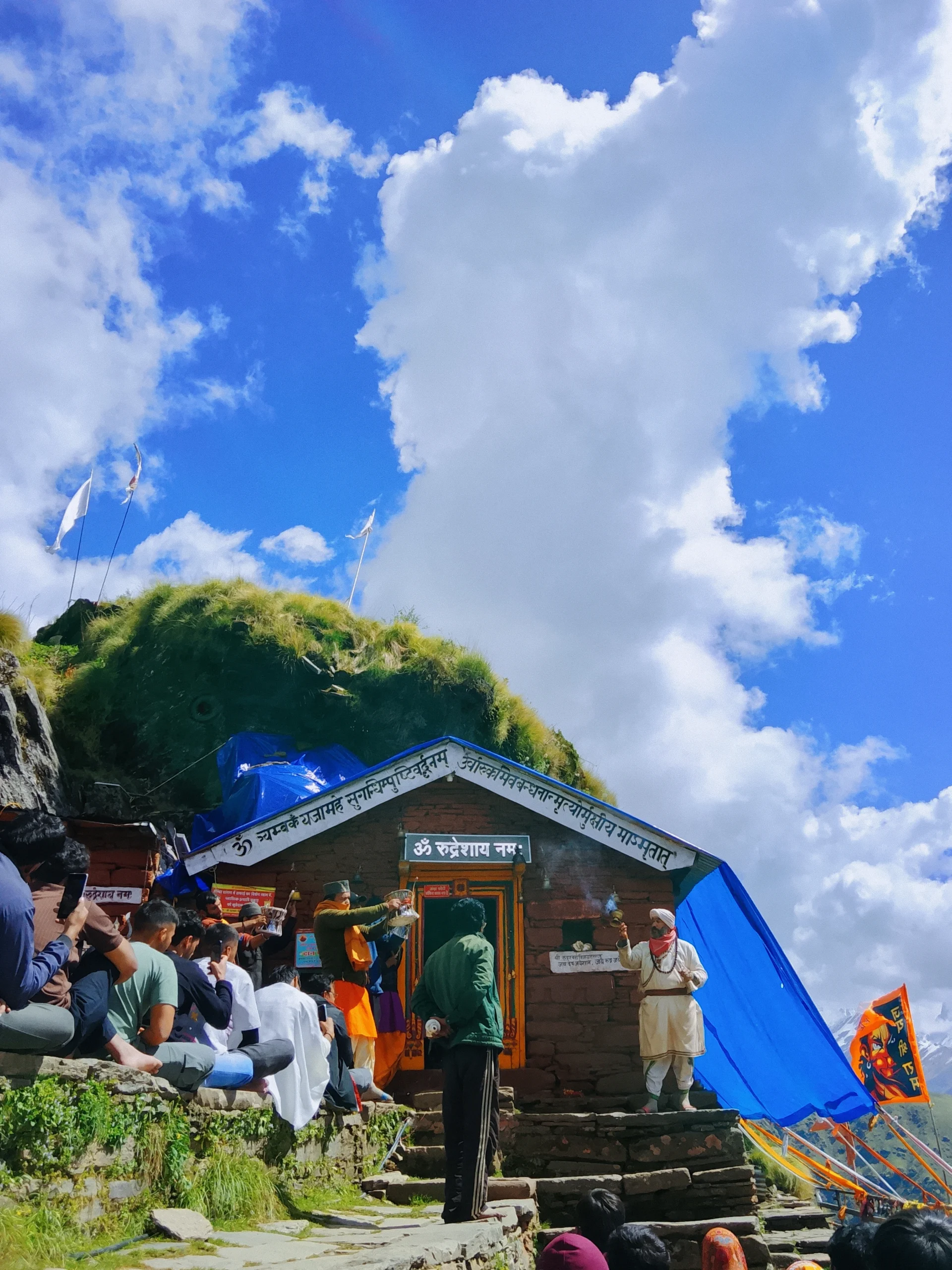
Tungnath is the easiest Kedar of the five. The path from Chopta to Tungnath is paved, 4 km with about ten hairpin bends and dhabas at regular intervals. Tungnath at 3,680 m (12,073 ft) is the highest Shiva temple anywhere. The arms of the bull form of Lord Shiva are worshipped here.

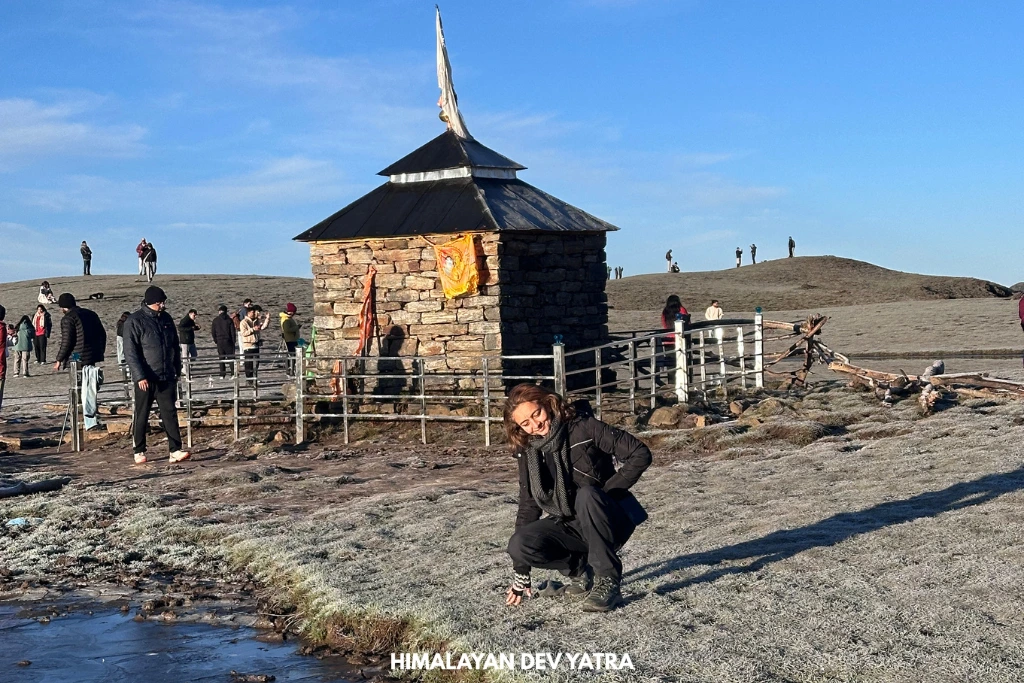
If your energy allows, you can continue 1.5 km to Chandrashila summit at about 4,000 m. On a clear day, Nanda Devi, Trishul, Chaukhamba, and the Kedarnath peaks are all visible from there.

We come down for lunch and drive to Sagar village, the base for Rudranath.

Day 8

Sagar to Lyuti Bugyal

Rudranath starts from Sagar village, and the climb is continuous. We reach the forest check post at the village first (before the mandatory 2:00 pm entry cutoff), where our permits are matched against everyone's original ID.

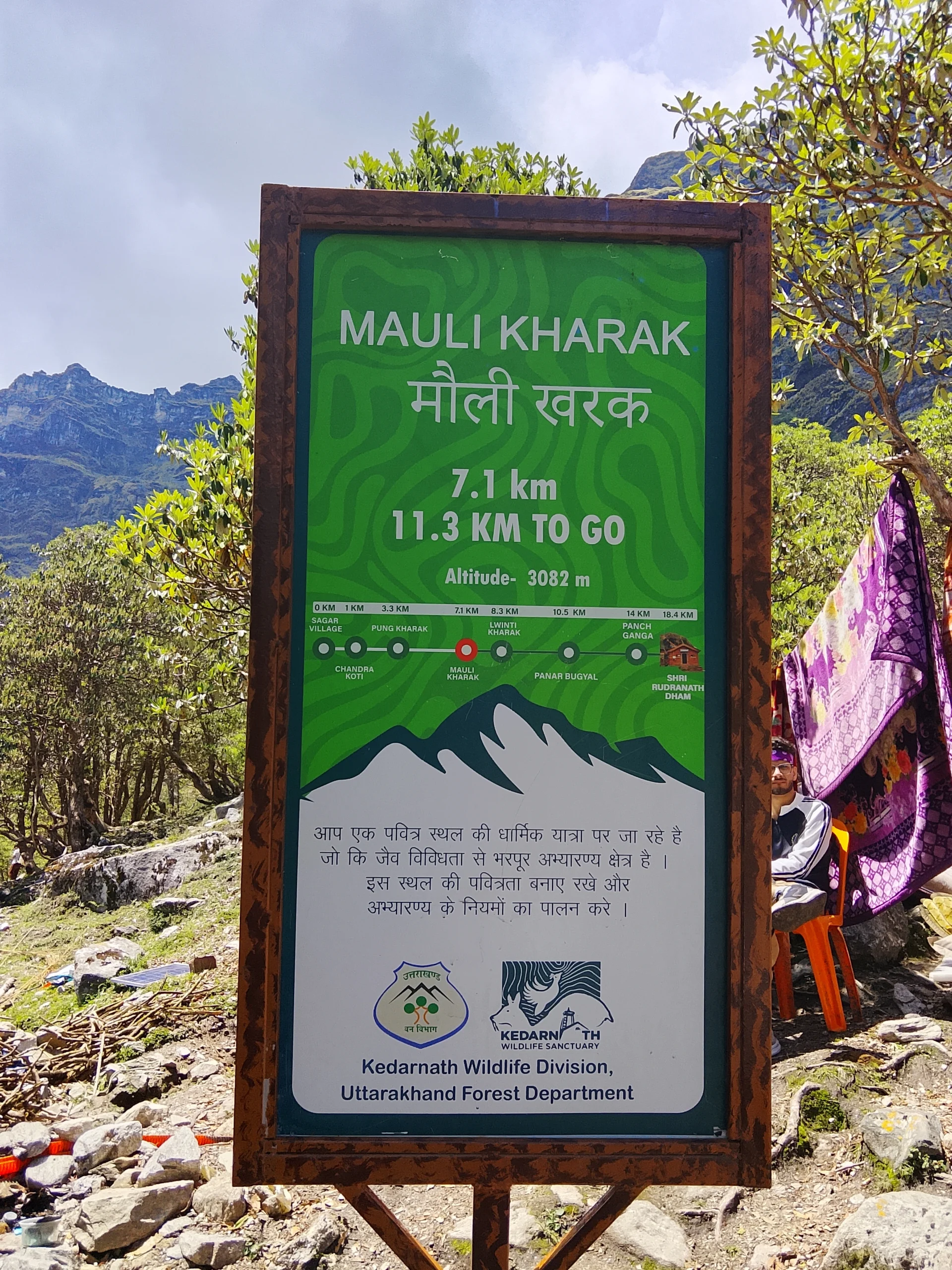
The first stop is Chandrakoti, then a steep 2 km to Pung Bugyal, an open grazing meadow. Ghimghima Pani offers the final convenient spot to refill your water supply before tackling the hardest part of the trek. 

Lyuti Bugyal is a large clearing where pitching private tents is prohibited to protect the alpine meadow. Overnight stays are permitted only in forest-approved eco-camps and temporary chhanis.

Day 9

Lyuti Bugyal to Rudranath and back

We start before 6 am. Arrive at Panar Bugyal after climbing for 2 km. From there, the trail leaves the trees and follows a ridge to Pitradhar, the highest point of the whole yatra. Then it drops through Panchganga, five streams one after another, to the temple at 3,600 m.

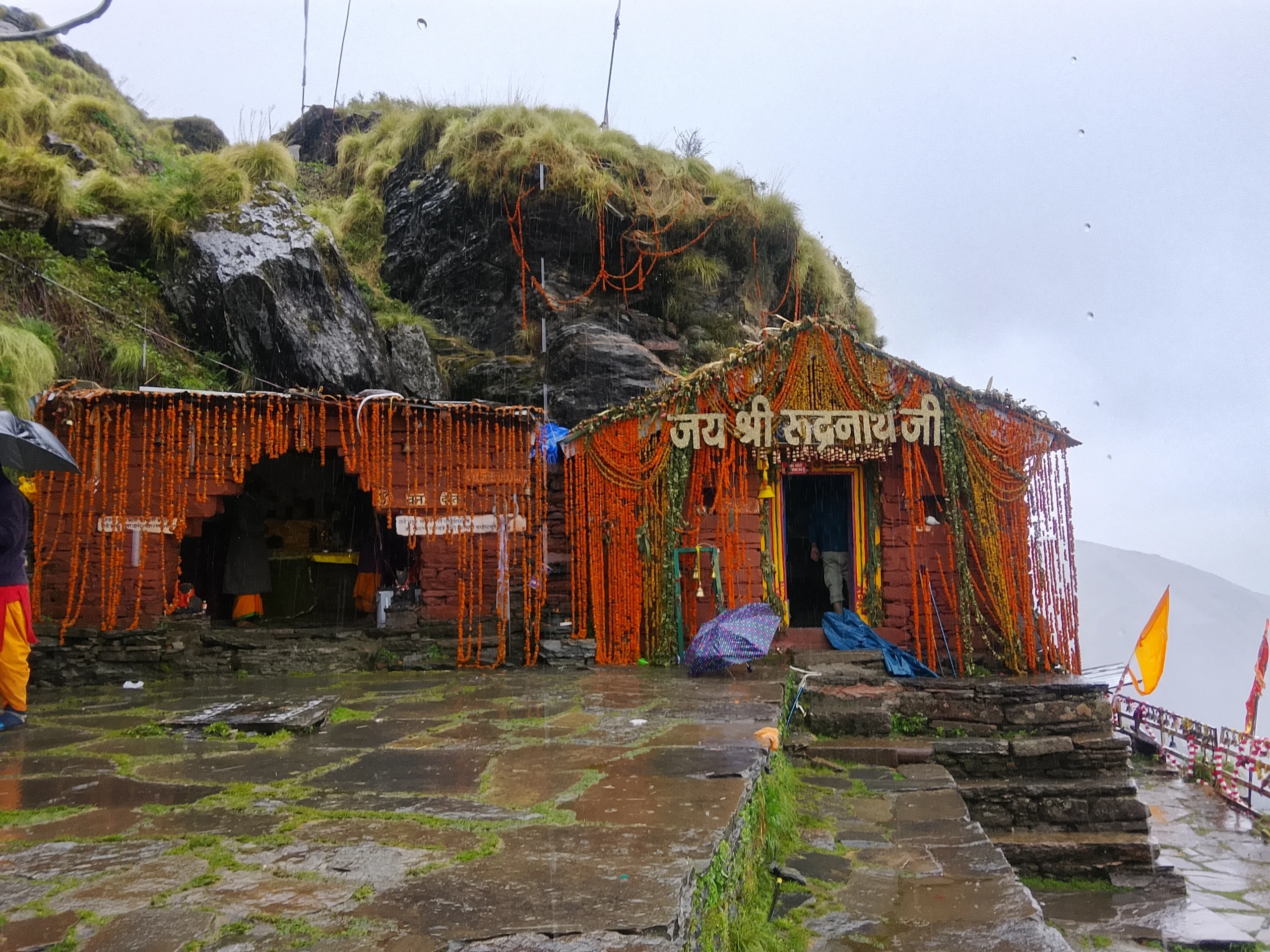
Rudranath is a small stone shrine where the face of Lord Shiva is worshipped. It is the only Kedar where the face form is worshipped, which is why many yatris consider this darshan the heart of the circuit. We spend an hour here, eat refreshments, and return.

Carry 2 to 3 litres of water from Lyuti. There are no water sources between Panar and Panchganga. Some groups prefer to sleep at Rudranath and return the next morning.

Day 10

Lyuti Bugyal to Sagar

This is a straight descent on the route that we climbed two days back. The section may be harder for your Knees, but the valley views on the way down make up for it. You will arrive back in Sagar by early afternoon.

Day 11

Sagar to Kalpeshwar Temple and Drive to Badrinath

The last Kedar is the gentlest. We drive via Helang into the Urgam valley, park at Devgram, and walk a short way down to Kalpeshwar. This is a cave shrine where the jata of Lord Shiva is worshipped.

The road into Urgam is rough and sometimes shut after rain, in which case the hike is a few kilometres longer. From there we drive to Badrinath through Joshimath and Govindghat. Evening aarti at Badrinath if we arrive in time. Badrinath is not one of the Panch Kedar, but most Shiva devotees end the circuit here. The belief is that Badrinath was Lord Shiva's home before he gave it to Lord Vishnu and moved to Kedarnath.

Day 12

Badrinath to Rishikesh Drive

If you missed Badrinath darshan, you can perform it at dawn on day 12. After breakfast, hit the long drive through Joshimath, Pipalkoti, Karnaprayag, and back past Devprayag. By late evening, we will reach Rishikesh. 

Inclusion & Exclusion

INCLUSION

  • Transportation: 12 days of private transportation from Dehradun /Rishikesh and back, as per the itinerary.
  • Accommodation: Comfortable stays in hotels, guesthouses, homestays, or dormitories on a triple-sharing or dormitory-sharing basis. During camping, spacious tents will be provided on a triple-sharing basis.
  • Meals: Daily breakfast and dinner as per the itinerary. Note: On Day 3 (Kedarnath), only dinner will be provided due to the early morning temple visit.
  • Permits and Fees: All necessary trekking permits and applicable camping fees are included in the package, as per the itinerary.
  • Experienced Trek Leader: An experienced and qualified trek leader to accompany you throughout the Panch Kedar Yatra.
  • First Aid and Safety Support: A fully equipped first-aid kit and an oxygen cylinder will be available for emergency support during the journey.
  • Trek Completion Certificate: Receive a certificate upon successfully completing the Panch Kedar Yatra.
  • Complimentary Goodies: Exclusive Himalayan Dev Yatra (HDY) T-shirt, Rudraksha bracelet, HDY badges, and a souvenir memento.
  • Expert Assistance: Our team is available to assist you with queries and travel-related support throughout your journey. Contact us at +91-80896 93825 for assistance.

EXCLUSION

  • Mules or Porters for Personal Bags: The cost of mules or porters to carry personal luggage is not included in the package. This service can be arranged at an additional cost upon request, subject to availability.
  • Emergency Expenses: Any expenses arising from emergencies, including medical treatment, evacuation, rescue operations, or other unforeseen circumstances, are not included in the package and must be borne by the trekker.
  • Tips and Gratuities: Tips for trek leaders, guides, drivers, and support staff are not included and are entirely at your discretion.
  • Personal Expenses and Additional Services: Any expenses not explicitly mentioned in the inclusions section, including personal purchases, additional meals, beverages, or optional activities, are not covered.
  • Accommodation in Rishikesh/Dehradun: Accommodation and meals in Rishikesh or Dehradun on the first and last day are not included unless specifically mentioned in the itinerary.
  • Lunch During the Yatra: Lunch is not included in the package. Trekkers must purchase lunch independently wherever available or make their own arrangements.
  • GST: An additional 5% Goods and Services Tax (GST) will be applicable to the package price.

Why Choose Us

For many of our pilgrims, this yatra is a once-in-a-lifetime journey. We plan every detail so you can focus on the darshan, not the logistics.

Experienced Yatra Guides

Our guides know these routes well: the darshan timings, the rituals, and the right places to rest on a steep climb.

Safety & Medical Support

First aid on every trip, regular health checks at altitude, and a clear plan for emergencies on the route.

Comfortable Stays & Meals

Clean, hand-picked hotels close to the temples, with fresh vegetarian meals throughout the journey.

Small, Personal Groups

Smaller batches mean less waiting, more flexibility, and a guide who knows every pilgrim by name.

Transparent Pricing

One clear price with every inclusion listed upfront. No hidden charges, and a fair cancellation policy.

Support Around the Clock

A dedicated trip coordinator you can reach at any hour, before and during your yatra.

Additional Yatra Information

Permits, Registration & Documentation

The Panch Kedar Yatra has two different requirements. Our team handles both for you, and here is what they include:

Kedarnath and Badrinath

Uttarakhand Tourism registration is mandatory for every yatri, including children. It is done on the state portal (registrationandtouristcare.uk.gov.in), which is free and Aadhaar-based from this year. It generates a QR code that is scanned at Sonprayag before Gaurikund and again on the Badrinath road. 

Once you book, we register the whole group. The name on the registration must match your ID exactly.

Tungnath, Rudranath and Madhyamaheshwar

These trails fall under the Kedarnath Wildlife Sanctuary. Rudranath and Madhyamaheshwar require day-wise wildlife entry permits issued by the Kedarnath Wildlife Division, whereas the paved day-hike from Chopta to Tungnath only requires local eco-checkpost clearance. We book the required permits through the forest department and pay the fees.

You must carry your original ID. Forest staff will match it to the permit at the Ransi and Sagar check posts (and verify IDs/eco-fees at the Chopta gate).

Documents needed:

  • Copy of Aadhaar card (both sides) or any other government photo ID. 
  • Foreign nationals must send passports and visas. Forest fees are different for foreign nationals, so let us know at the enquiry stage.
  • A fitness certificate from a registered doctor, dated within a month of departure. The state requires it for yatris above 60 and anyone with heart, lung, or blood pressure conditions. We ask every yatri on this circuit for one because of the Rudranath section.
  • Two passport-size photos.
  • Emergency contact details of someone not travelling with you.
  • Carry the originals through the yatra. Photocopies do not work at the check posts.

Seasonal Temperature Guide

Summer (May - June)

5°C to 25°C

Melting snow and blooming rhododendrons. Clear skies and pleasant daytime weather.

Autumn (Sept - Oct)

-2°C to 18°C

Crisp air, extremely clear views of the peaks, and chilly nights. No snow on the trail.

Footwear & Gear

Clothing Layers

Personal Essentials

Most of the trail sections in the Panch Kedar Yatra takes place inside the protected forests.

The Tungnath, Madhyamaheshwar and Rudranath trails run through the Kedarnath Wildlife Sanctuary. The Kedarnath temple itself is located on its northern edge.

The sanctuary covers 975 sq km and is the largest protected area in the western Himalaya. It was set up in 1972 for the Himalayan musk deer.

Here is what you pass on the way:

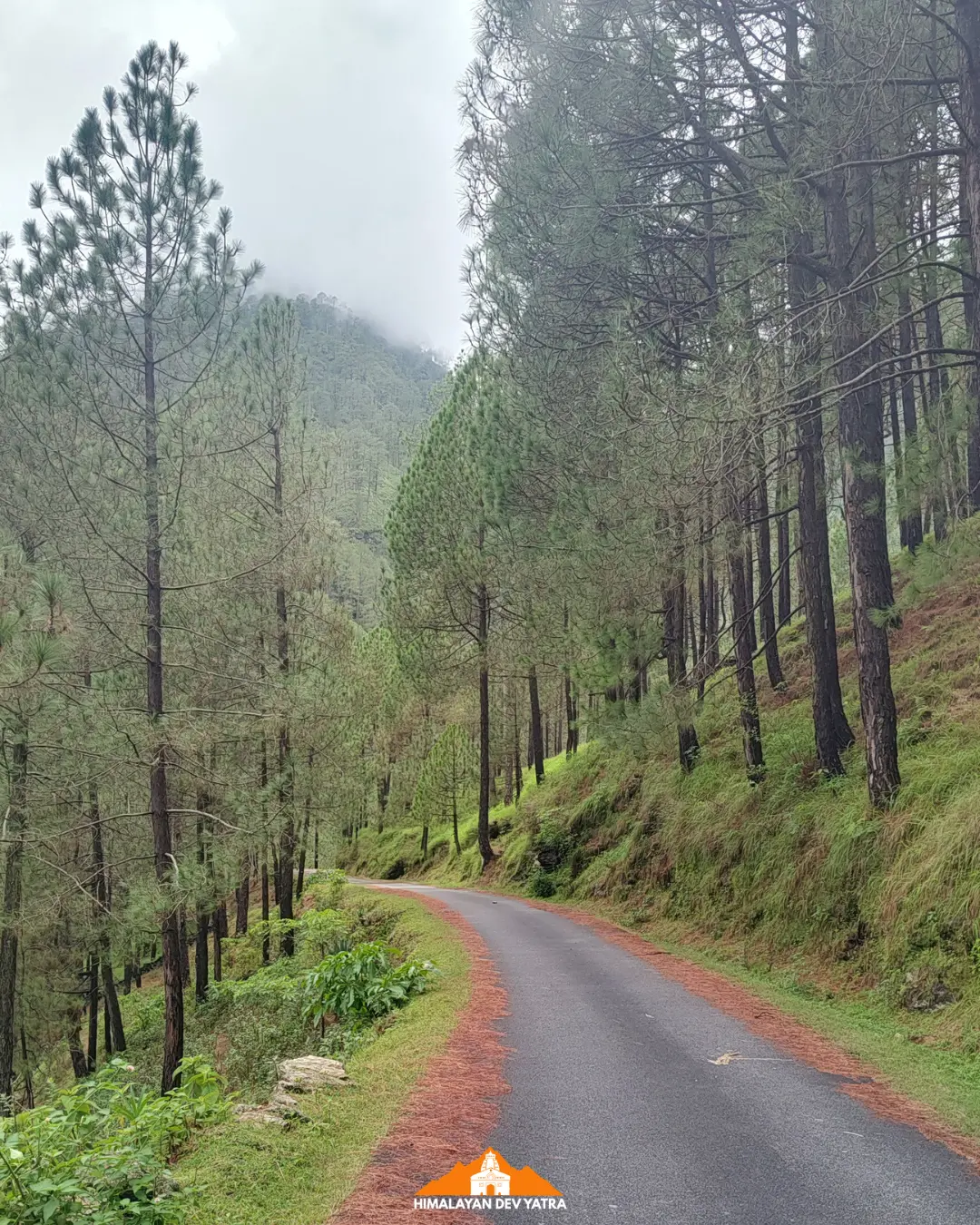
  • Forests: Pine and oak on the lower slopes, rhododendron near 3,000 m, open grassland above 3,400 m.
  • Burans: The red rhododendron, Uttarakhand’s state tree, flowers in April and May on the Chopta and Rudranath trails.
  • Bugyals: Pung, Lyuti and Panar on the Rudranath trail and the meadow at Madhyamaheshwar fill with wildflowers in summer.
  • Brahma Kamal: The state flower grows near Vasuki Tal above Kedarnath, but blooms in the monsoon. So only those travelling in September may see it.
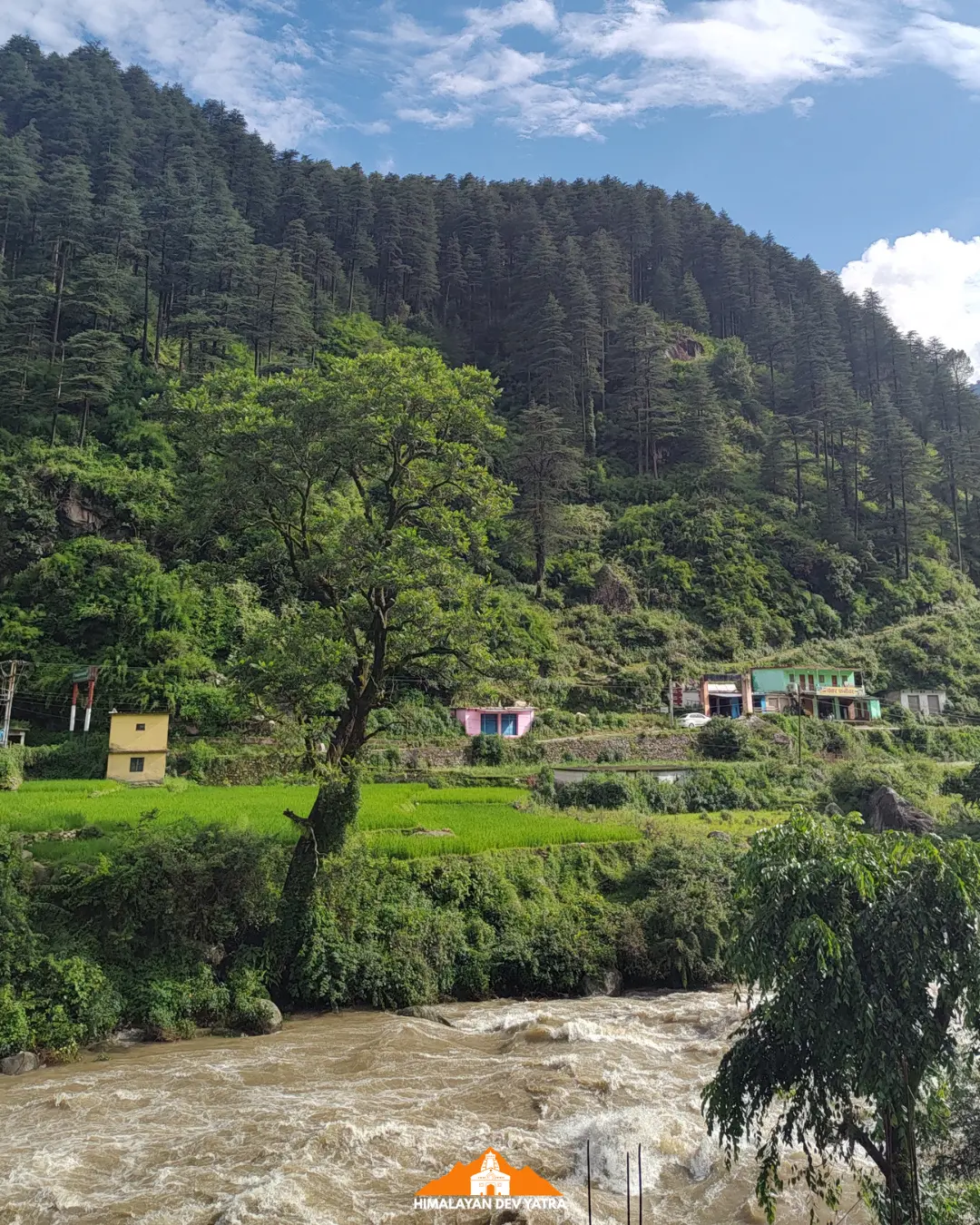
  • Urgam valley: Dense forest, apple orchards, and potato fields along the Kalpganga near Kalpeshwar.
  • Animals: Musk deer, Himalayan tahr, black bear and, in the high reaches, snow leopard. Sightings are rare; dawn and dusk are the best chance.
  • Birds: Chopta is one of the best places in India to see the Himalayan monal, the state bird. Snow partridge near Tungnath, kalij, hill partridge, koklass pheasant across the sanctuary.

Fitness & Eligibility

High-altitude yatras demand basic physical readiness. Here is what you need to know to ensure a safe and spiritual journey, especially for senior citizens.

Health Guidelines

The Panch Kedar Yatra requires 9 days of trekking (and a short walk on Day 11), reaches four temples above 3,400 meters, and crosses remote stretches far from motorable roads. Here is how our team manages the logistics and what we need from you to prepare:

  • What we carry: A full first aid kit, an oxygen cylinder, a pulse oximeter and a blood pressure monitor, plus a folding stretcher on the Rudranath leg. A certified trek leader accompanies you. From day 4 onward, everyone's oxygen level and pulse are checked each morning before we set off.
  • Altitude: Kedarnath, Madhyamaheshwar, Tungnath and Rudranath are all high enough for altitude sickness. Headache, nausea, poor sleep, and loss of appetite are the early signs. Tell the trek leader the moment you feel any of them. If symptoms get worse, we descend. Drink 3 to 4 litres a day. No alcohol and no smoking on trek days.
  • Medical facilities on the route: Government medical relief posts with doctors and oxygen run along the Gaurikund to Kedarnath trail during the season. Beyond that, the hospitals are at Guptkashi for the Kedarnath leg, Ukhimath for Madhyamaheshwar and Tungnath, Gopeshwar for Rudranath, and Joshimath for Kalpeshwar and Badrinath. On the Rudranath trail, the nearest doctor is at Gopeshwar, roughly a day's walk and a short drive away.
  • Evacuation: On the Kedarnath trail, ponies, palkis and helicopters (weather permitting, from the Kedarnath helipad to Phata, Guptkashi or Sirsi) can all be arranged at extra cost. There is no helicopter on the Rudranath or Madhyamaheshwar trails. Evacuation there means ponies or porters carrying you to the road, which our team organises but you pay for.

Before you book, please do these three things:

  • Consult your doctor if you have asthma, a heart condition, high blood pressure, insulin-dependent diabetes, or have had knee surgery.
  • Start walking 5 km a day at least two months before departure and add stairs. Rudranath trek requires adequate physical fitness.
  • If you are above 65, talk to us about the Rudranath leg. The Kedarnath, Tungnath, Kalpeshwar, and Badrinath days are fine with pony support.
  • Phone network is patchy at Kedarnath, with Jio working in places, and there is none on the Madhyamaheshwar and Rudranath trails. Inform your family while planning the trip.

Physical Preparation

  • Start two months before: The Uttarakhand government advises Char Dham pilgrims to begin walking, pranayam and cardio exercise at least two months before the yatra. Rudranath is more challenging than Kedarnath, so start building your endurance gradually.
  • Build a walking routine: Begin with 3 km a day and add a kilometre each week until you walk 5 km daily without stopping. By departure, 5 km in 45 minutes should feel comfortable.
  • Climb stairs: Days 2, 5 and 8 are long climbs. Add 15 minutes of stairs or inclined teadmill to your walking routine three times a week.
  • Train the knees for descents: Days 3, 6 and 10 are long descents. Climbing down puts more pressure on knees than the climbs do. Do squats and lunges, three sets of 10, three times a week.
  • Breathe: Practise 5 to 10 minutes of pranayam or deep breathing daily. It helps the body cope with thinner air.
  • Walk with your daypack: In the last month, do your walks with the daypack you will carry on the trail, around 3 to 5 kg. Do it in the shoes you will wear, so both are broken in before Gaurikund.

Traveling with Elderly Parents?

Traveling with Elderly Parents?If long walking distances are a concern, we can seamlessly arrange Helicopter services, Ponies, or Palkis (palanquins) to ensure a comfortable Darshan. Speak to our experts to customize.

Route Map & Elevation

Altitude Gain Profile

A visual guide to your daily acclimatization and altitude gain.

Frequently Asked Questions

Which is the toughest of the five Kedars?
Rudranath is the toughest, with about 20 km one way from Sagar with a climb to nearly 4,000 m (13,120 ft) at Pitradhar, and a long descent on the same day. Kedarnath and Madhyamaheshwar are moderate.
Do I have to do all five temples in one Panch Kedar trip?
No, many families attempt only Kedarnath, Tungnath, and Kalpeshwar, with Badrinath in 7 to 8 days, and leave the two hard ones for another year. We plan this on request.
In what order are the temples in Panch Kedar Yatra visited?
Kedarnath, Madhyamaheshwar, Tungnath, Rudranath, then Kalpeshwar, with Badrinath at the end. Some pilgrims go the other way, starting at Kalpeshwar. We don't, because it puts Rudranath on day 3 before anyone has acclimatised.
Do I need to register or get permits myself for Panch Kedar Yatra?
No, we do the Uttarakhand Tourism registration for Kedarnath and Badrinath, and the forest permits/checkpost clearances for Tungnath, Rudranath, and Madhyamaheshwar. You send us your ID and fitness certificate, and carry the originals on the yatra.
When is the best time to plan the Panch Kedar circuit?
May to June, or September to mid-October. Rudranath closes on 17 October this year, so October departures are planned around that. July and August are monsoon months when roads close, and we do not run the circuit then.
Are ponies or helicopters available for the Panch Kedar tour?
Ponies and palkis on the Kedarnath trail, ponies from Chopta to Tungnath, and porters or palkis (dandi/kandi) on the Rudranath and Madhyamaheshwar trails (passenger ponies do not operate on the Sagar-Rudranath trail due to steep rock-cut terrain and sanctuary rules). Helicopters only for Kedarnath, from Phata, Guptkashi, or Sirsi. All at extra cost.
Is there a phone network and an ATM on the way during Panch Kedar Yatra?
ATMs at Rishikesh, Rudraprayag, Guptkashi, and Ukhimath. Carry cash from Rishikesh for village stays and pony charges. The network is patchy after Guptkashi and absent on the Madhyamaheshwar and Rudranath trails.
Will someone carry my bag on the Panch Kedar trek days?
Not as part of the package. Human porters for personal luggage can be arranged at an extra cost on the Rudranath stretch. Mules or porters are available on the Madhyamaheshwar stretch. Carry a small daypack for water, a jacket, and your ID, and leave the rest in the vehicle.
What if someone in my group cannot complete Rudranath on the Panch Kedar circuit?
They can skip the trek and wait at Sagar or Gopeshwar with the vehicle while the rest of the group walks. Our coordinator stays in touch, and everyone rejoins on the way to Kalpeshwar. They still get darshan at the other Kedars, with pony, palki, or helicopter help where available.
Can I perform pind daan at Rudranath on this tour?
Yes. The Vaitarani River flows beside the temple, and our guide arranges the ritual with the temple priests on darshan day. Dakshina and materials are paid directly to the priest.

Cancellation & Refund Policy

We offer a transparent, hassle-free cancellation process because we understand that mountain plans can change unexpectedly.

30+ Days prior to departure 90% Refund
15 - 29 Days prior 70% Refund
7 - 14 Days prior 50% Refund
Less than 7 Days / No Show No Refund

Weather Guarantee: If we cancel the yatra due to severe weather or route blockages, you receive a 100% refund or a lifetime credit voucher.

Read full legal policy →

Reviews

Video Reviews

Similar Yatras

Related Blogs

Starting at

₹48,000 / person

Book Now