Download Itinerary

Rudranath with Kalpeshwar

Sankri, Uttarakhand

Region

Uttarakhand

Base Camp

Sankri

Altitude

41,999 m.

Duration

5 D / 4 N

Duration

March - Aug

Walking Difficulty

Moderate

Walking Distance

11 KM

Wheelchair

Available

Overview

The Kedarkantha trek is a classic winter trek that provides stunning 360-degree views of the mighty Himalayan peaks. Walking through the snow-laden pine forests is an experience that stays with you forever. Perfect for both beginners and experienced trekkers.

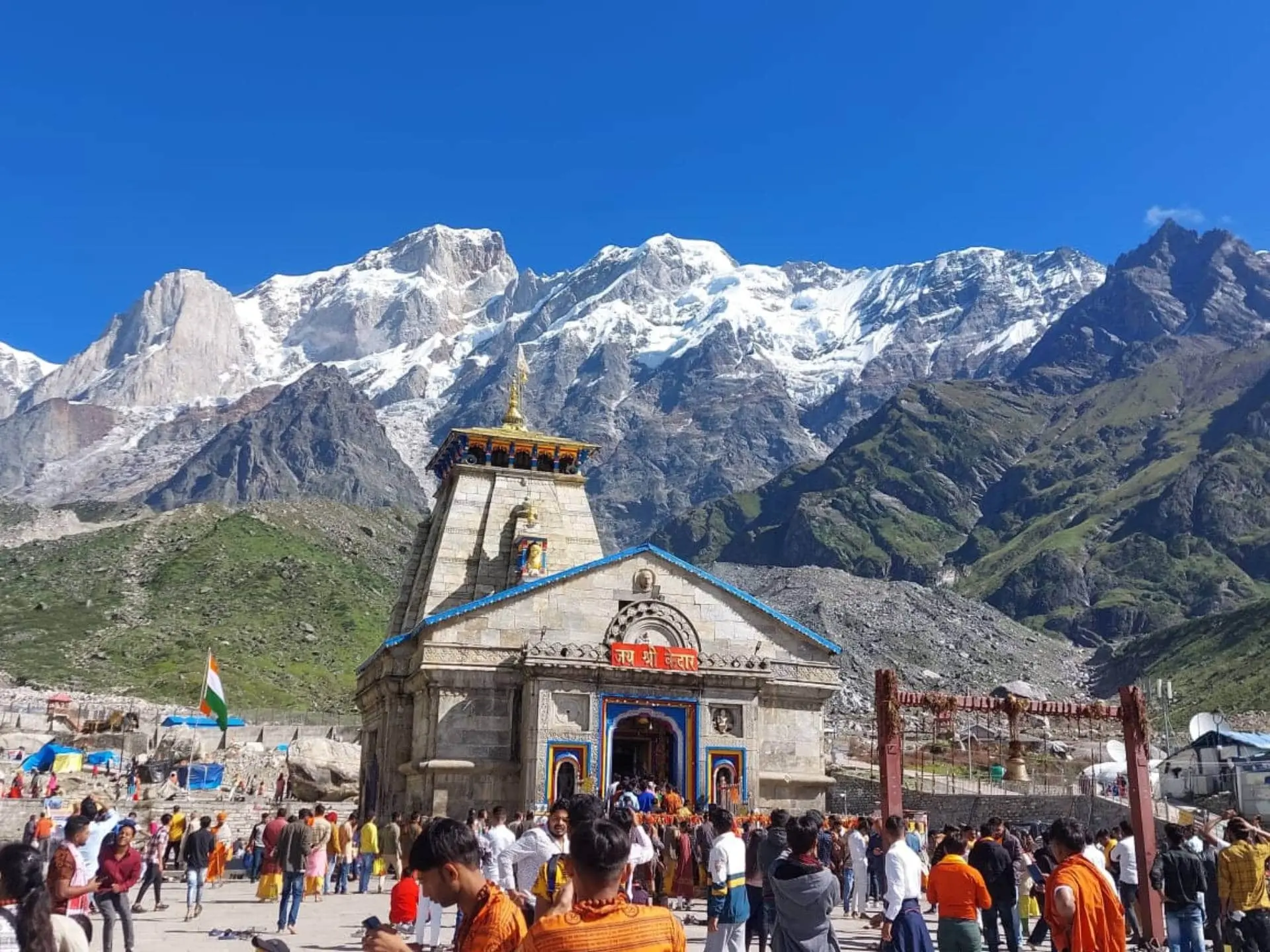
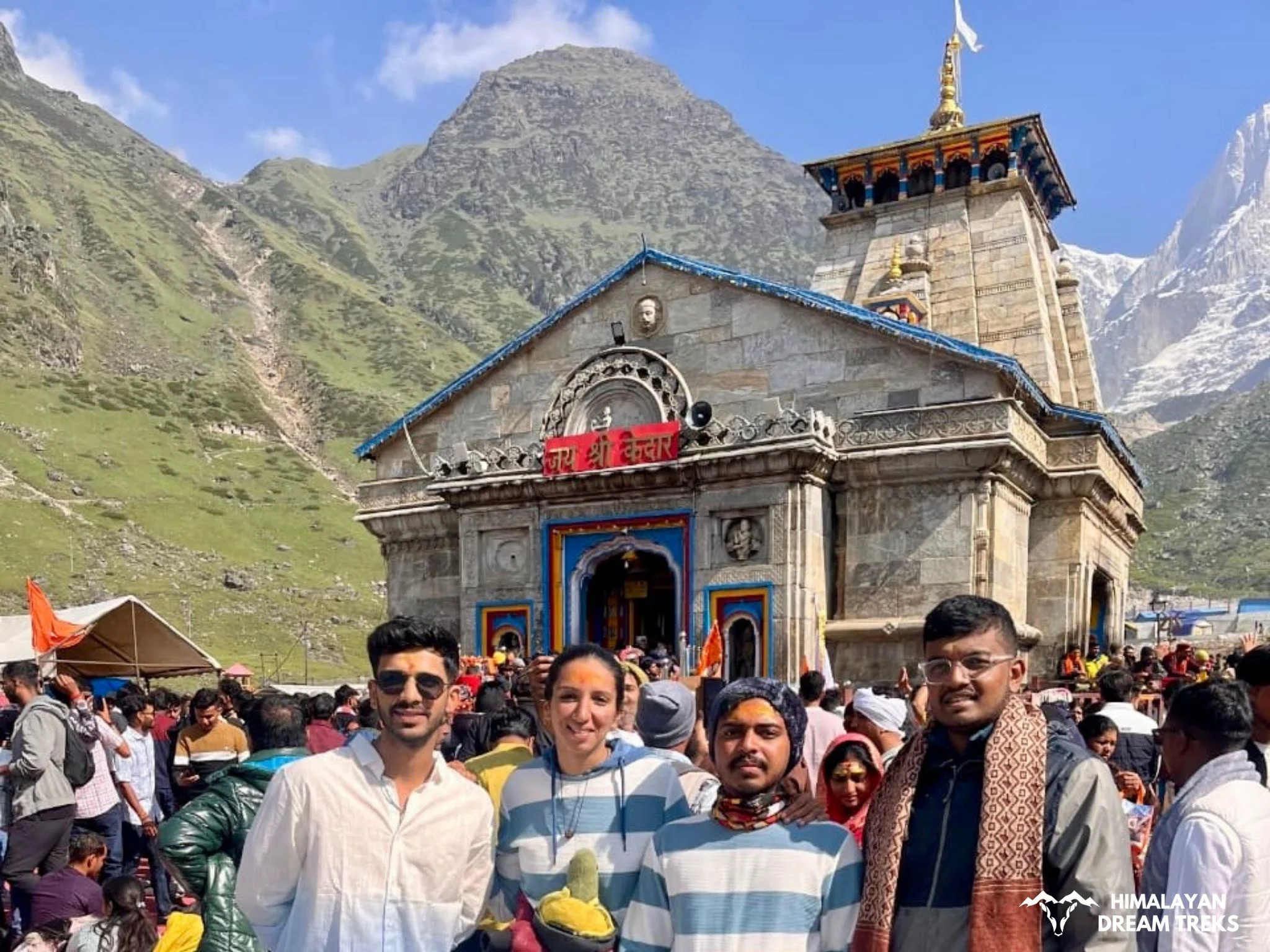
The journey to Kedarnath starts from Rishikesh. A typical itinerary is 3 nights and 4 days long which takes you to places such as Rishikesh, Guptakashi, Gaurikund, and Kedarnath.

The Kedarnath Temple is scheduled to open on April 22, 2026, this year. The best time to do this trek is May, June, September, and October. Prior to your yatra, you will need to register yourself on the Char Dhaam portal. The overall trek distance from Gaurikund to Kedarnath is around 16 km so the total distance is approximately 32 km. You may feel the trek distance to be more than 16 km. This is due to the altitude gain of 5,072 feet, requiring greater endurance.
Day-by-day Itinerary

Day 1

Dehradun to Sankri | Evening at Leisure

We start our journey from Dehradun early morning. The drive is scenic, passing through Mussoorie and along the Yamuna river. We reach the base camp, Sankri, by evening. Enjoy the beautiful sunset and a hearty dinner.

During our journey, we will follow along the river Ganga until Devprayag, then continue alongside the Alaknanda River, and finally drive alongside the Mandakini River in the last stretch.

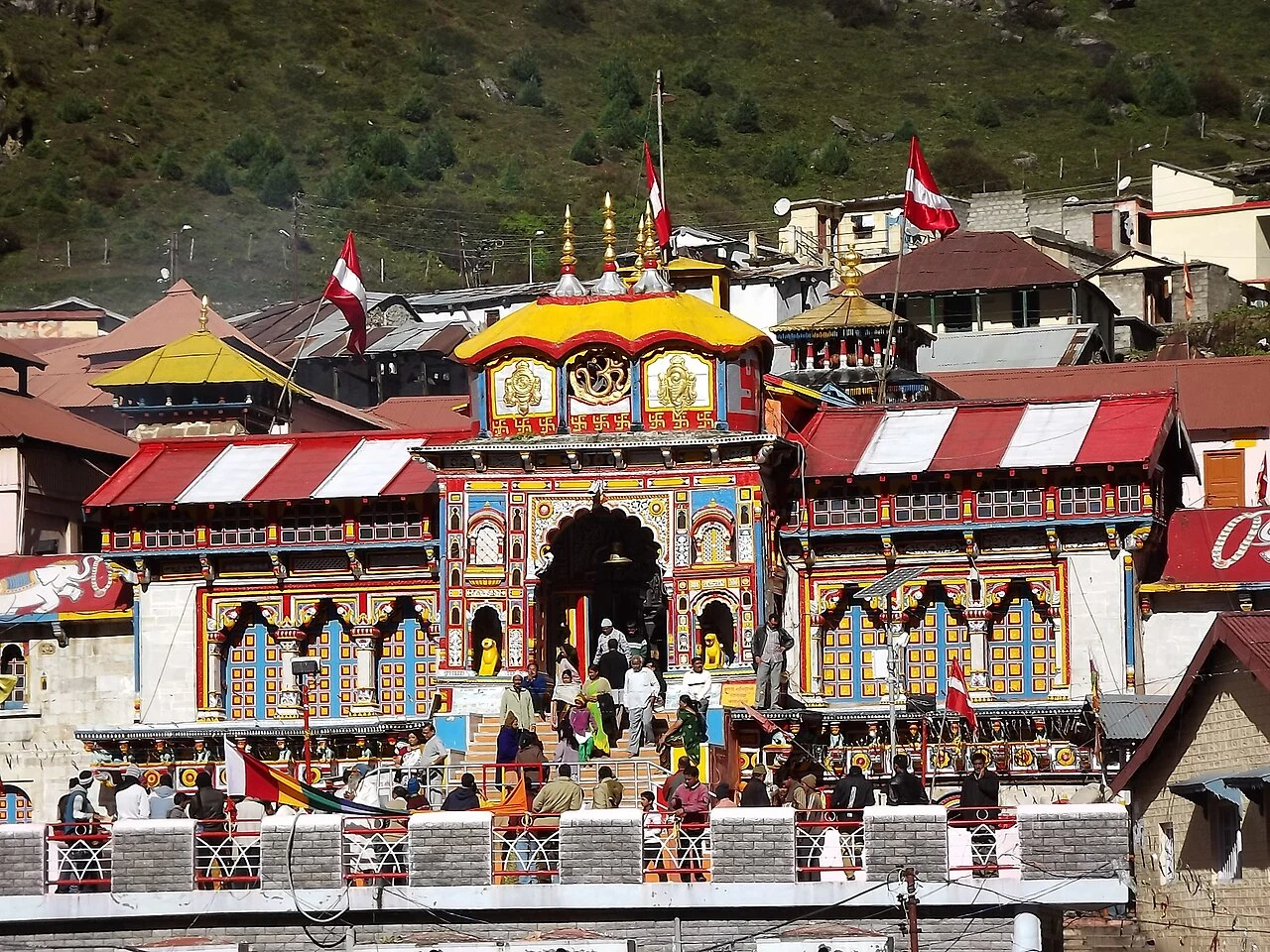
Along the way, we will visit Dhari Devi Temple and the confluence points known as prayags, including Devprayag, Rudraprayag, Agastmuni, and Guptkashi.

Day 2

Sankri to Juda Ka Talab

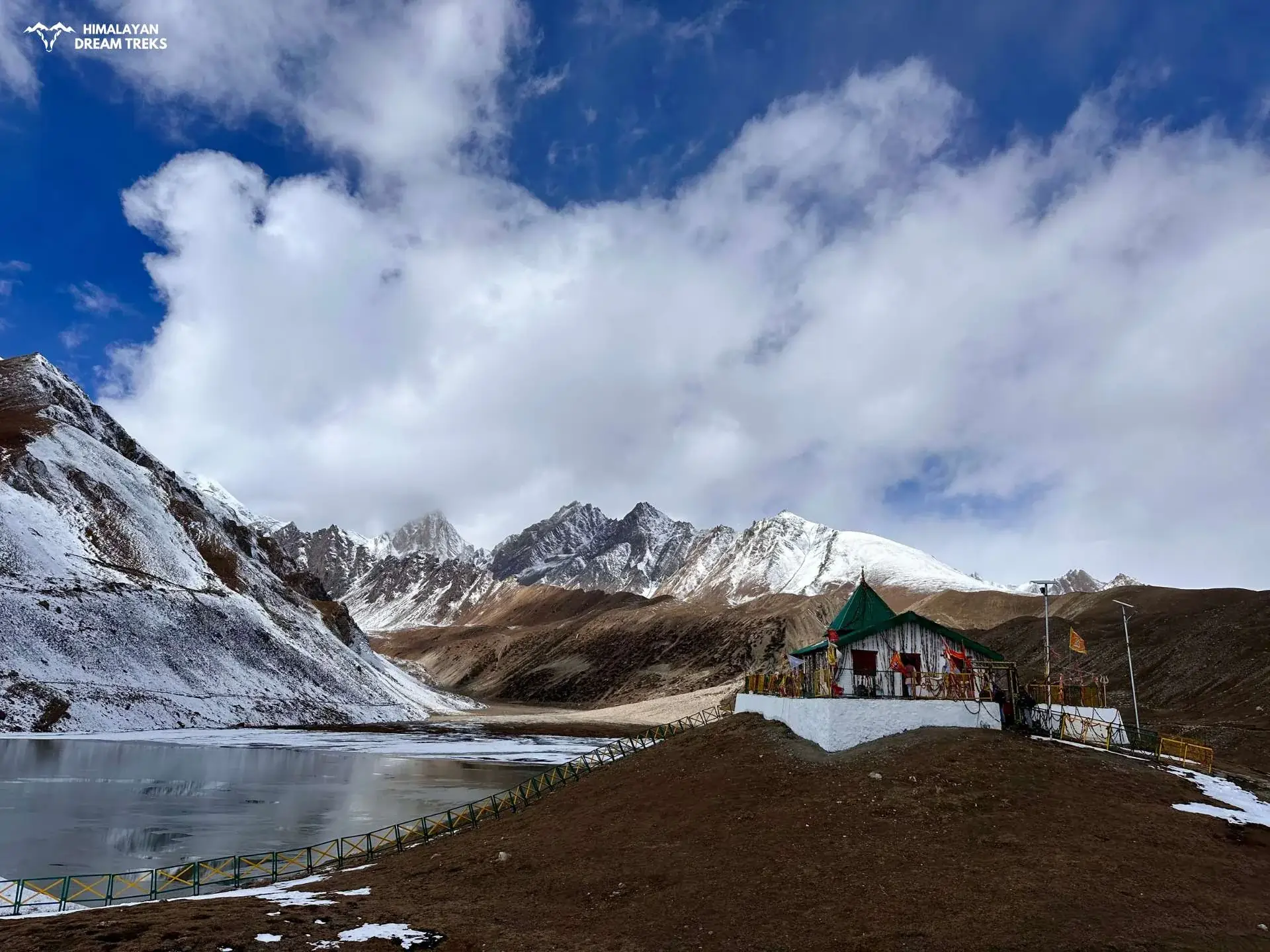
The trek starts today! We walk through dense pine forests and meadows. After a 5-hour trek, we reach the beautiful frozen lake, Juda Ka Talab, where we will camp for the night.

Day 3

Juda Ka Talab to Kedarkantha Base

A short but steep trek today. We move higher above the tree line and get our first clear views of the Kedarkantha peak. We rest early to prepare for the summit attempt.

Inclusion & Exclusion

INCLUSION

  • Stay: Accommodation is included for all days of the trek. Tents will be provided on a triple-sharing basis. Single and double sharing available at extra cost.
  • Meals: All meals are provided from dinner at Raithal on Day 1 to Day 4 breakfast.
  • Trek Equipment: All essential trek equipment is included, such as sleeping bags, kitchen and dining tents, utensils, mattresses, personal tents, toilet tents, and crampons (if needed).
  • Transport: Transportation from Dehradun to Raithal and back is included.
  • Forest Entry and Permits: All required fuel charges, tolls, forest entry fees, and permits are covered.
  • Trek Staff: A qualified, professional team, including a mountaineering-certified trek leader, guide, cook, and support staff, will accompany you.
  • Emergency Kit: First aid medical kits, oxygen cylinders, and stretchers are provided for safety.

EXCLUSION

  • Meals during Transfer: Meals are not included while traveling to and from the trek starting points.
  • Emergency Evacuations: Any charges related to emergency evacuation are not included
  • Personal Expenses: Any meals or accommodations outside of the provided itinerary or additional services not listed in the inclusions.
  • Personal Luggage Carrying: Charges for mules or porters to offload personal luggage are not included in the package.
  • 5% GST
  • Trek Insurance and Medical is compulsory

Additional Yatra Information

According to local Hindu mythology, Kedarkantha was the original spot where Lord Shiva meditated before moving to Kedarnath. It is said that while meditating, he was disturbed by the sounds of local villagers and grazing animals. Seeking absolute peace, he abandoned this peak and relocated to the higher, more secluded Kedarnath shrine.

The name "Kedarkantha" literally translates to the "Throat of Lord Shiva." Local folklore suggests that the throat of the bull (Lord Shiva's disguised form) fell here when the Pandavas were chasing him, while the hump fell at Kedarnath.

At the summit, at an elevation of 12,500 feet, you will find a small, beautiful shrine dedicated to Lord Shiva, marked by a Trishul pointing towards the sky. Yatris and trekkers traditionally offer their prayers here upon completing the rigorous ascent, seeking blessings for a safe descent.

Seasonal Temperature Guide

Winter (Dec - Feb)

-5°C to 10°C

Heavy snowfall. Perfect for winter trekking. High-grade thermal wear is mandatory.

Spring (Mar - Apr)

2°C to 15°C

Melting snow and blooming rhododendrons. Clear skies and pleasant daytime weather.

Autumn (Oct - Nov)

0°C to 12°C

Crisp air, extremely clear views of the peaks, and chilly nights. No snow on the trail.

Footwear & Gear

Clothing Layers

Personal Essentials

The trail passes through the lush Govind Pashu Vihar National Park. During the lower altitudes, you will walk through dense forests of oak, pine, and maple.

If you are trekking in the spring, the forest floors are painted red and pink with blooming Rhododendrons. Wildlife enthusiasts might spot the elusive Himalayan Monal (the state bird of Uttarakhand), Barking Deer, or Bharal (Blue Sheep) near the higher ridges.

Fitness & Eligibility

High-altitude yatras demand basic physical readiness. Here is what you need to know to ensure a safe and spiritual journey, especially for senior citizens.

Health Guidelines

  • Age Considerations: Safe for ages 10 to 65. Yatris above 65 are welcome but must strictly consult their physician before booking.
  • Medical Tests: A routine checkup, including a recent ECG and Blood Pressure monitor, is highly recommended for anyone over 50.
  • Pre-existing Conditions: Asthma, heart conditions, or severe hypertension must be disclosed to our team prior to booking to ensure adequate safety measures.

Physical Preparation

  • Walking Practice: Start brisk walking for 3-4 km daily at least one month prior to the Yatra to build stamina.
  • Lung Capacity: Practice deep breathing exercises (Pranayama) daily. This significantly helps in acclimatizing to lower oxygen levels.
  • Joint Strength: Incorporate climbing 2-3 flights of stairs daily to strengthen knees and leg muscles for uneven terrain.

Traveling with Elderly Parents?

Traveling with Elderly Parents?If long walking distances are a concern, we can seamlessly arrange Helicopter services, Ponies, or Palkis (palanquins) to ensure a comfortable Darshan. Speak to our experts to customize.

Route Map & Elevation

Altitude Gain Profile

A visual guide to your daily acclimatization and altitude gain.

Frequently Asked Questions

Is this trek safe for beginners?
Yes! While the altitude brings challenges, the gradient is moderate. With proper fitness preparation (jogging 3-4km daily), beginners can comfortably complete this trek.
What kind of shoes do I need?
You absolutely need waterproof trekking shoes with good ankle support. Sports shoes or running shoes are strictly not allowed for winter treks due to snow.
What meals options are available?
Vegetarian meals like Roti, Chawal, Daal, Sabji, Paneer, Dahi available to complete your lunch and dinner.
What is the fitness level requirement?
You absolutely need waterproof trekking shoes with good ankle support. Sports shoes or running shoes are strictly not allowed for winter treks due to snow.

Similar Yatras

Starting at

₹10,999 / person

Book Now