There is no doubt that the Himalayas are home to countless mesmerizing and sacred destinations; Budha Kedar, also known as the Fifth Dham, is one of them. Situated at an altitude of 1,520 metres (4,987 ft) above sea level in the Tehri Garhwal district of Uttarakhand, it is surrounded by mesmerising mountain ranges such as Siddhkoot, Dharmkoot, Yakshkoot, and Apsara, which further enhance its breathtaking beauty.
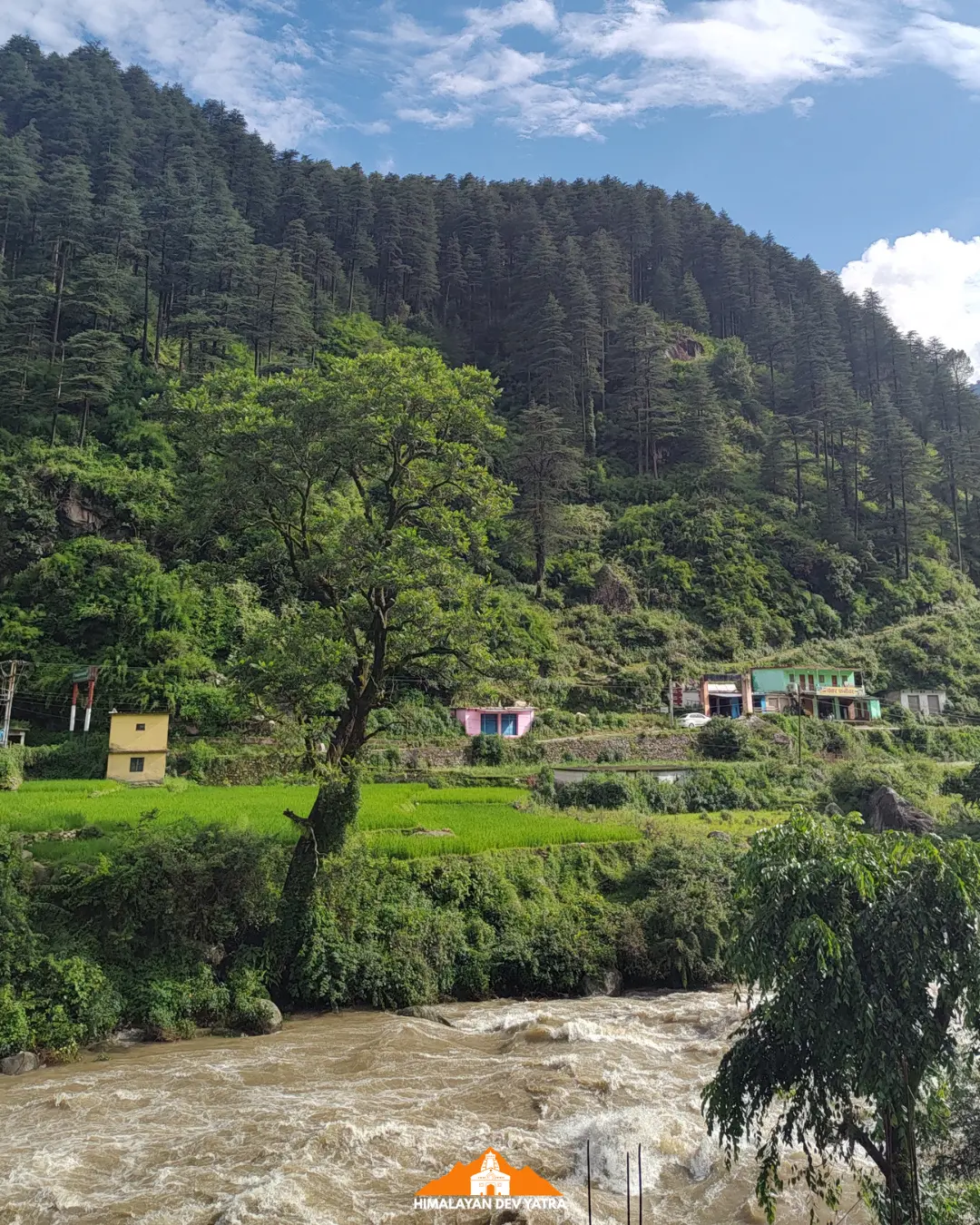
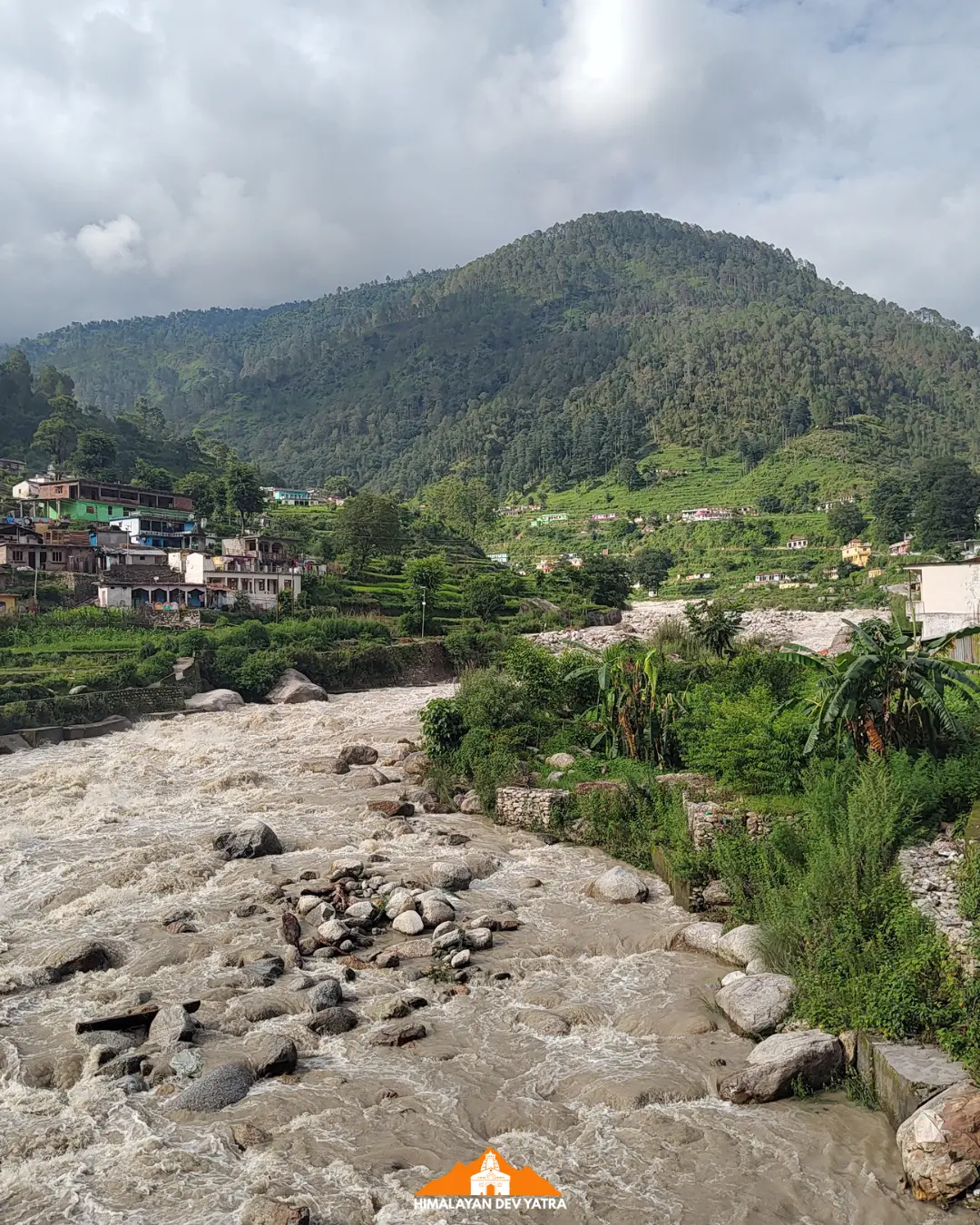
What makes this temple unique is that it is surrounded by two rivers, the Bal Ganga and the Dharam Ganga; their confluence is called Dharam Pragya. It holds great significance in Northern India, is dedicated to Lord Shiva, and has the largest Shiv Lingam in the country.
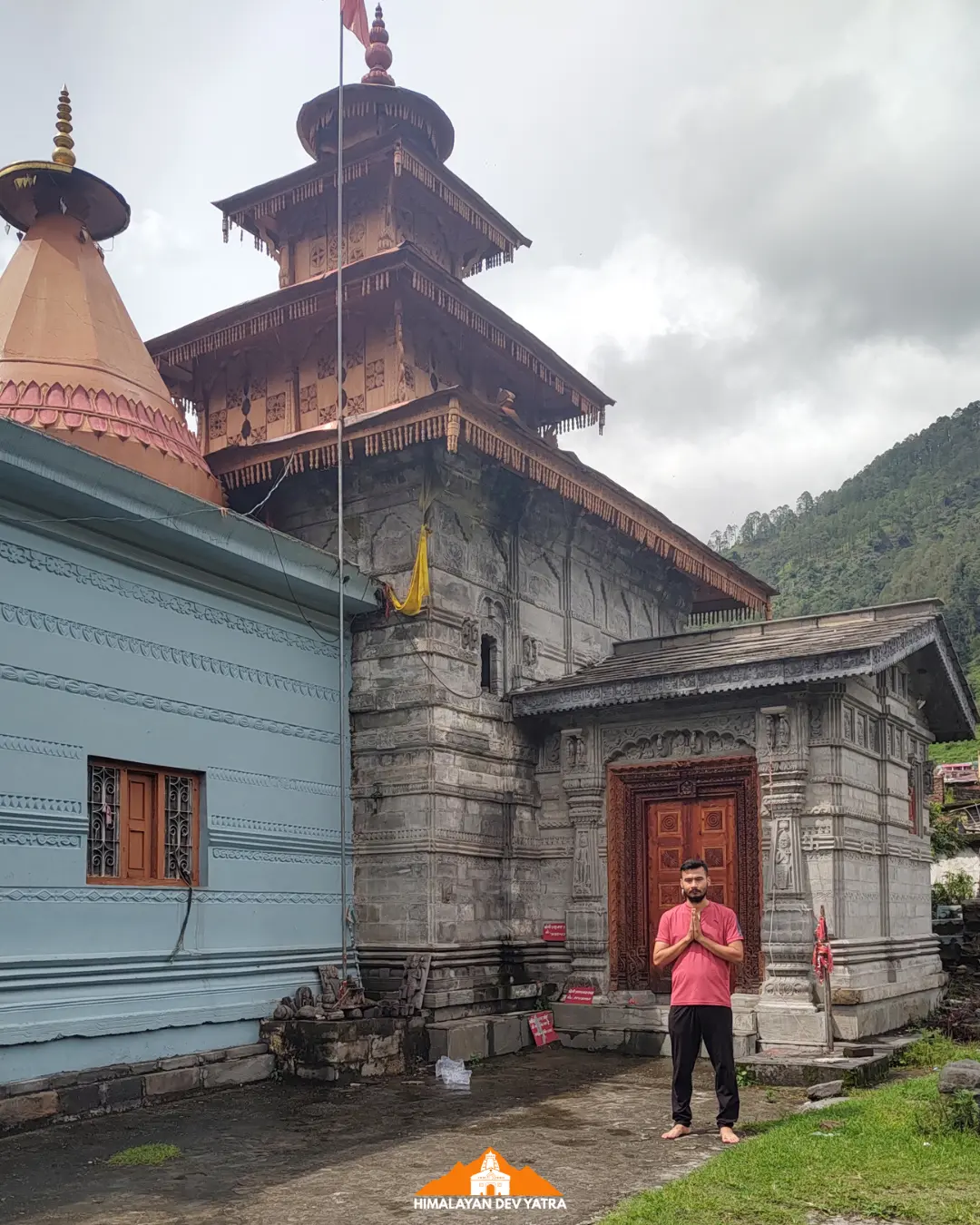
The name Budha Kedar is derived from two Sanskrit words: Budha means (old or ancient), and Kedar refers to (Lord Shiva). According to local beliefs, Lord Shiva refused to meet the Pandavas after the Mahabharata war; he disguised himself as an old man and revealed himself at this very spot. For this reason, it is called Budha Kedar.
Whether you are a devotee or an adventure lover, this trail promises an unforgettable experience that combines spirituality with breathtaking scenery etched in your memory.
History and Mythology
The history of Budha Kedar temple is directly linked to the Mahabharata war. When the Pandavas were accused of killing the Gotrachar, Ved Vyas advised them to go to the Himalayas and seek forgiveness from Lord Shiva, freeing them from all the sins committed by them.
Lord Shiva was very angry with the aftermath of the war and decided to test their patience before granting them a vision of himself. He did not appear before them in his divine form but as a Vriddha Brahmin (old, aged man) meditating at the confluence of Bal Ganga and Dharma Ganga rivers.
Before departing, Lord Shiva left behind a massive Shiv Lingam–the largest in North India acting as a symbol of his presence and a source of blessings to devotees.
In ancient times, five rivers used to meet here— Bal Ganga, Dharam Ganga, Shiv Ganga, Menaka Ganga, and Mattan Ganga—but today, only Bal Ganga and Dharam Ganga are visible, merging together right at the temple’s doorstep. Taking a dip in the confluence is believed to wash away all sins and bestow spiritual merit.
Like other Shiva temples in the state, where a Brahmin is the priest, the tradition of Budha Kedar is a bit different. Here, the priest must belong to the Nath Sect (Rajput community); those with pierced ears are eligible to perform the pooja. Apart from this, devotees also believe that every prayer made with a true heart is accepted here.
Fun Fact: Yogi Adityanath, the current Chief Minister of Uttar Pradesh, also belongs to the Nath sect.
How to Reach?
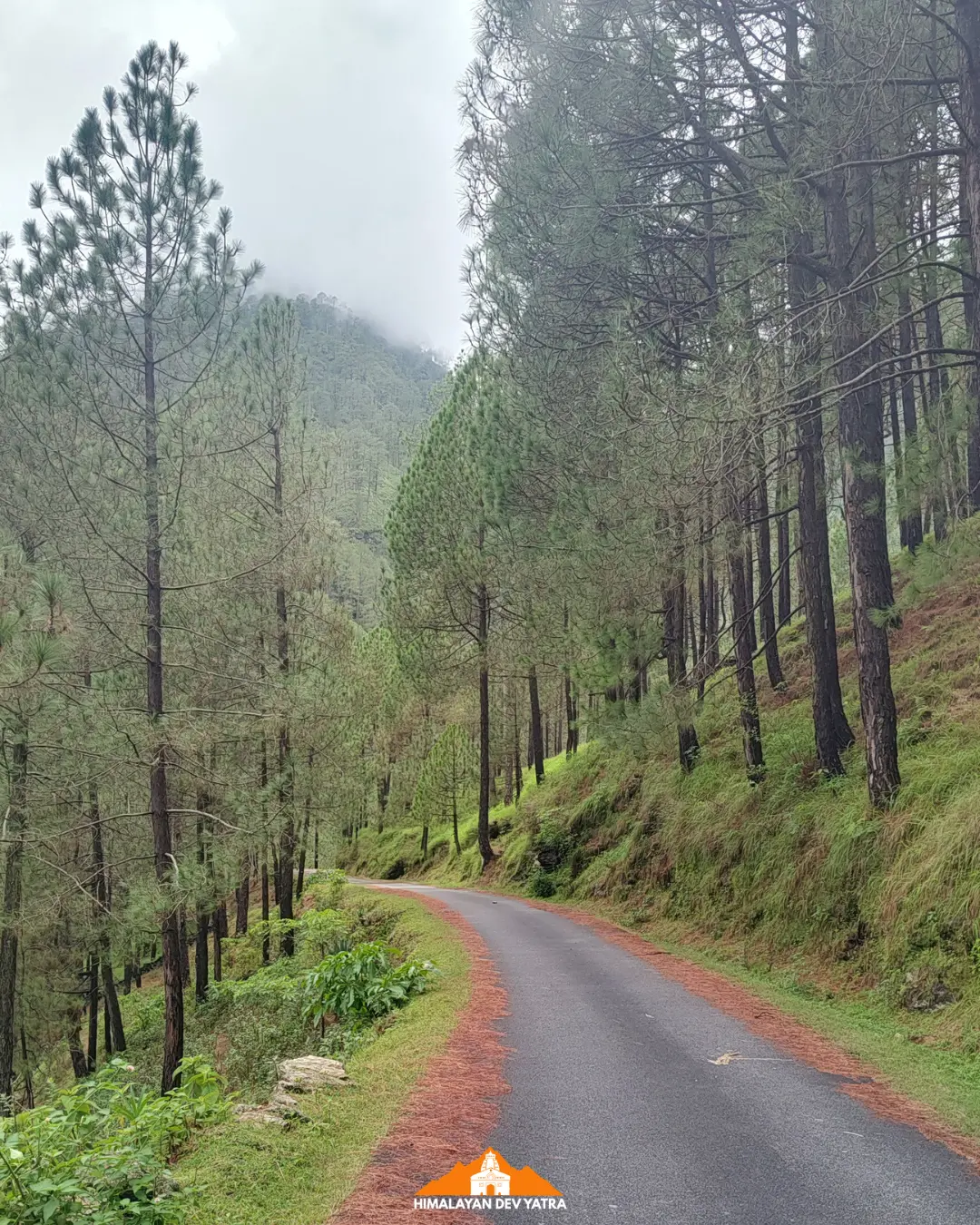
Reaching Budha Kedar will be a great experience for you, as you will be exposed to mountain roads, dense forests, and a glimpse into traditional Garhwali culture. It does not matter from which corner of the country you are travelling, but Dehradun, Haridwar, and Rishikesh act as a crucial junction.
- By Air: If you love clouds and are planning to take a flight, well-connected regular domestic flights from Delhi’s Indira Gandhi International Airport to Jolly Grant Airport, Dehradun, are available. You can book a taxi, and it will take approx. 3-4 hours to reach the temple, passing Dehradun and New Tehri.
- By Train: There are multiple train services from Delhi to Dehradun, such as Jan Shatabdi, Shatabdi Express, Mussoorie Express, and Nanda Devi Express, with different departure and arrival times. You can hire a taxi or take a bus from Dehradun/Haridwar to Budha Kedar.
- By Bus: Talking about buses, direct buses from Kashmere Gate ISBT, Delhi to Tehri or Rishikesh are available. However, direct bus services are also available from New Tehri to Budha Kedar with specific timings (06:00 am – 07:30 am), featuring: New Tehri→Dhauntari→Uttarkashi→Budha Kedar.
Best Time to Visit
Situated at an altitude of 1,520 metres, the temple is suitable to visit at any time of the year. The pleasant weather refreshes the mind and soul along with fresh air. However, most people avoid visiting during the monsoon due to fear of landslides and cloudbursts.
April to June
Summer is the best time to visit Budha Kedar because the days are longer, making the trek easier to complete and enjoy sightseeing. Apart from that, the landscape is lush and green during this season.
September to November
This post-monsoon period is an excellent option for devotees as the clouds become clear and visible after the rain. The cool breeze calms the heart and mind, and one gets to see a clear picture of the surrounding mountains.
December to March
As of winters, snow-capped mountains welcome visitors, and the clear atmosphere invites devotees to enjoy the winter charm alongside their temple visit and keep the flame of devotion burning inside their hearts. As time passes by, the temperature drops to -15*C at night, increasing the need for woollen blankets, sweaters, and socks.
The best times to visit the temple are: Morning (06:00 am to 11:00 am) and Evening (04:00 pm to 07:00 pm).
Expert Tip: It does not matter which month you are paying a visit to this sacred site; you just need to carry the correct gear so that you do not have to face any problems on the way.
Nearby Places to Explore
Visiting Budha Keda is not just about visiting the temple but also exploring some beautiful places nearby.
1. Bal Ganga and Dharam Ganga Confluence
This is the most beautiful corner of the temple; the confluence of two rivers here holds geographical and spiritual significance. The continuous sound of flowing water, combined with surrounding mountains and greenery, creates a truly magical experience.
2. Thati Nature Trail
The Thati Nature Trail is a perfect choice for explorers who wish to enjoy the Himalayan forests. This route offers a view of the valley and rural landscapes along with dense and dangerous animal-filled forests.
3. Ghansali
Talking about Ghansali, it is a very important stop for those who are visiting Budha Kedar. From here, one can easily access local transport directly to the temple, get valuable items, and take a short break before continuing the journey.
4. Tehri Lake and Tehri Dam
Tehri Lake is a great destination for travellers keen on nature and adventure; here they can enjoy boating as well as a variety of water-based activities. Along with that, Tehri Dam represents the state’s most remarkable engineering landmark.
5. Chandrabadni Temple
Finally, the Chandrabadni temple is one of the significant religious destinations in Tehri Garhwal. Situated on a hilltop, this sacred site represents devotion and the eye-pleasing snow-packed peaks of the Himalayas.
Conclusion
Budha Kedar is not just a temple nestled in the Himalayas; it is a place where our mythology, holy rivers, a wide range of forests, and traditional Garhwal traditions unite with each other. Whether it’s the legendary meeting of Lord Shiva with the Pandavas or the confluence of Bal Ganga and Dharam Ganga, it is an ideal choice for travellers who want to feel an intimate Himalayan experience.