
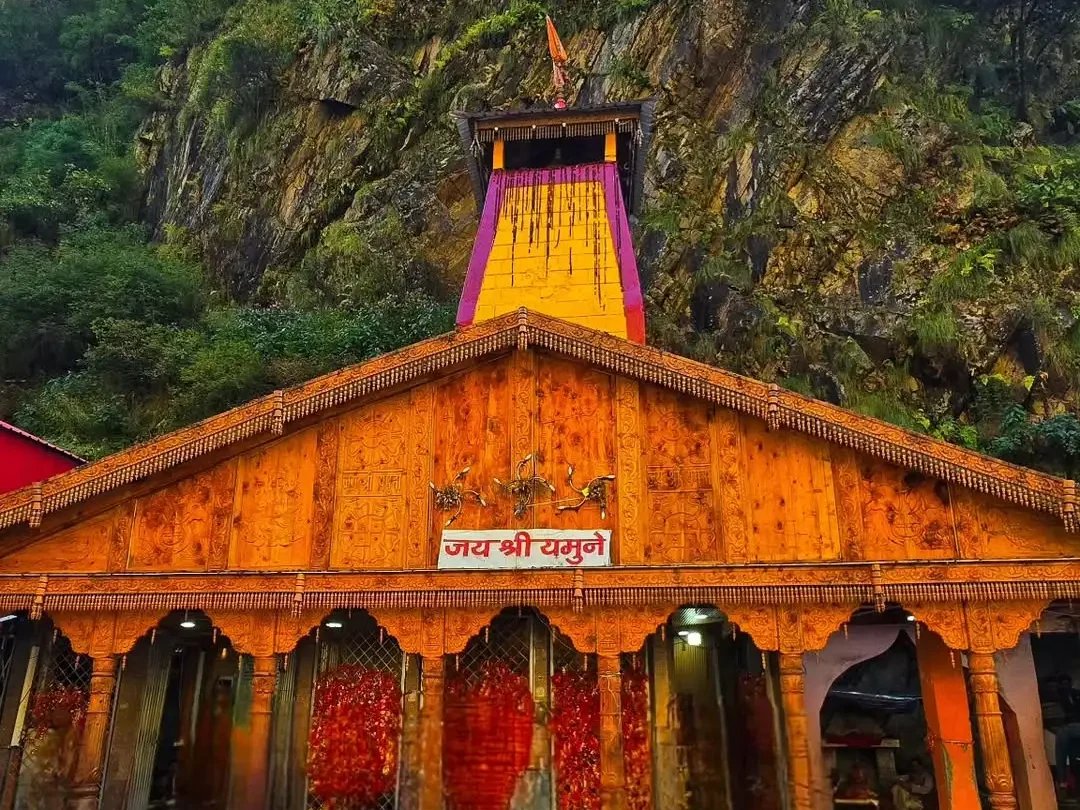
The Char Dham Yatra is one of India’s most revered Hindu pilgrimages, attracting millions of devotees every year. The sacred circuit includes four Himalayan shrines in Uttarakhand—Yamunotri, Gangotri, Kedarnath, and Badrinath. For many, completing this journey is a lifelong spiritual aspiration.
However, one question often concerns first-time pilgrims: How risky is the Char Dham Yatra?
The simple answer is that the Char Dham Yatra is moderately to highly challenging, depending on your age, health, weather conditions, and the specific shrine you visit. While millions complete the pilgrimage safely every year, the route passes through the fragile Himalayan region, where natural hazards and high-altitude conditions require careful planning and preparation.
Why Is the Char Dham Yatra Considered Risky?
Several factors contribute to the risks associated with the pilgrimage.
1. High-Altitude Travel
Most Char Dham temples are located at elevations between 3,000 and 3,600 meters (9,800–11,800 feet). At these heights, oxygen levels are lower, and some pilgrims may experience Acute Mountain Sickness (AMS).
Common symptoms include:
- Headache
- Dizziness
- Fatigue
- Nausea
- Shortness of breath
Although most cases are mild, severe altitude sickness requires immediate medical attention.
2. Difficult Trekking Routes
Among the four shrines, Kedarnath is the most physically demanding. Pilgrims must undertake a steep mountain trek of about 16 kilometers from Gaurikund unless they use helicopter services, ponies, palkis, or other authorized transport.
Similarly, Yamunotri requires a trek of approximately 5–6 kilometers, while Gangotri and Badrinath are largely accessible by road.
Long uphill climbs can be exhausting, especially for elderly pilgrims or those with heart, lung, or joint problems.
3. Unpredictable Himalayan Weather
Weather in the Himalayas can change within minutes. Pilgrims may experience:
- Heavy rainfall
- Sudden snowfall
- Dense fog
- Strong winds
- Cold temperatures, even during summer
Rain can make roads slippery and increase the risk of landslides and travel delays.
4. Landslides and Road Conditions
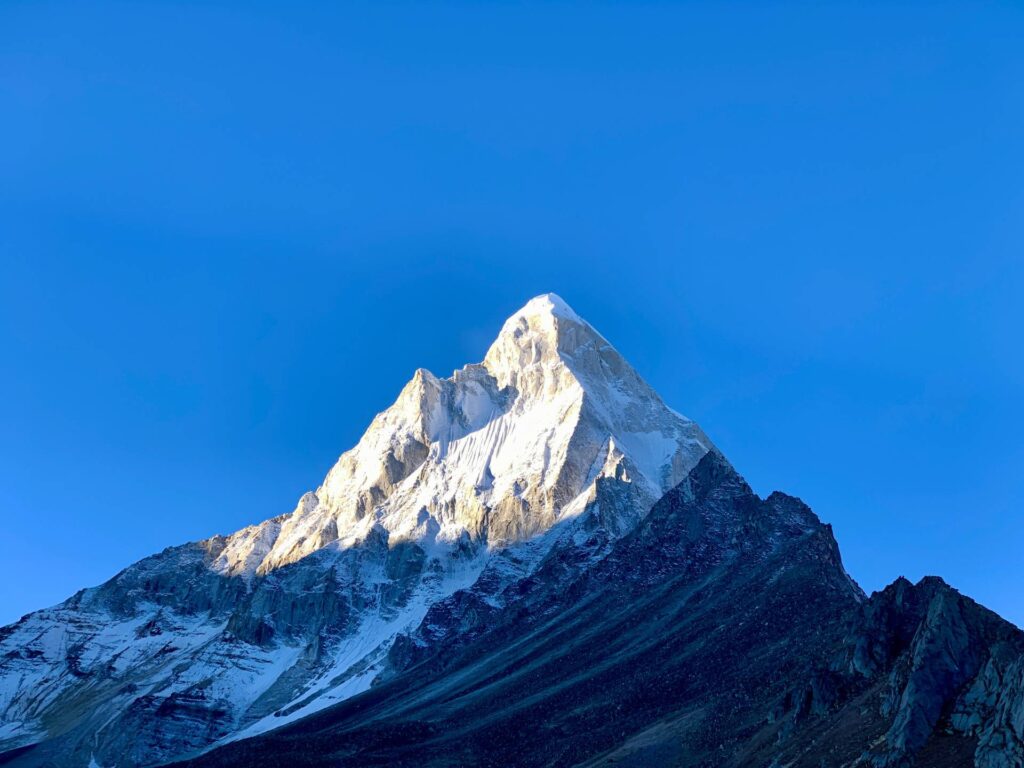
The Char Dham route passes through steep mountain roads that are vulnerable to:
- Landslides
- Falling rocks
- Road blockages
- Flash floods during the monsoon season
Authorities regularly monitor these routes, but weather conditions can still affect travel plans.
5. Large Crowds
During peak pilgrimage season, thousands of devotees visit the shrines daily. Crowded pathways, long queues, and traffic congestion can lead to fatigue and increase the likelihood of minor accidents if proper crowd management is not followed.
Which Char Dham Temple Is the Riskiest?
Among the four shrines:
- Kedarnath is generally considered the most challenging because of its long uphill trek, high altitude, and unpredictable weather.
- Yamunotri also involves a demanding climb but is shorter.
- Gangotri is easier to reach by road but still lies at high altitude.
- Badrinath is usually the most accessible, as the temple is connected by a motorable road.
Who Should Take Extra Precautions?
The pilgrimage requires additional care for:
- Senior citizens
- People with heart disease
- Patients with asthma or chronic lung conditions
- Individuals with uncontrolled high blood pressure
- People with serious mobility issues
- Young children who may struggle with altitude and cold weather
Consulting a doctor before undertaking the journey is strongly recommended.
How to Reduce the Risks
Most risks can be minimized with proper preparation.
Here are some essential safety tips:
- Get a complete medical check-up before traveling.
- Register for the Yatra through the official portal.
- Carry valid identification and emergency contact details.
- Wear comfortable trekking shoes with good grip.
- Pack warm clothing, rain gear, gloves, and extra socks.
- Stay hydrated throughout the journey.
- Avoid alcohol and smoking at high altitudes.
- Walk at a steady pace and avoid overexertion.
- Take breaks whenever needed.
- Follow weather advisories and instructions from local authorities.
- Keep essential medicines and a basic first-aid kit with you.
Is the Char Dham Yatra Safe for Senior Citizens?
Yes, many senior citizens complete the Char Dham Yatra every year. However, they should undergo a thorough medical evaluation before traveling. Helicopter services to Kedarnath and pony or palki facilities can make the journey less physically demanding.
Traveling at a comfortable pace and avoiding unnecessary exertion significantly improves safety.
Best Time to Visit
The safest period for the Char Dham Yatra is generally May to June and September to October.
The monsoon season (July and August) carries a higher risk of landslides, road closures, and heavy rainfall, making travel more unpredictable.
Final Verdict
The Char Dham Yatra is not considered dangerous for healthy and well-prepared pilgrims, but it is not an ordinary vacation. The combination of high altitude, mountain roads, changing weather, and physically demanding routes means that careful planning is essential.
With proper medical fitness, suitable clothing, adherence to official guidelines, and awareness of weather conditions, millions of pilgrims complete the Char Dham Yatra safely each year. The journey is as much about patience, preparation, and respect for nature as it is about devotion, making it one of India’s most rewarding spiritual experiences.