
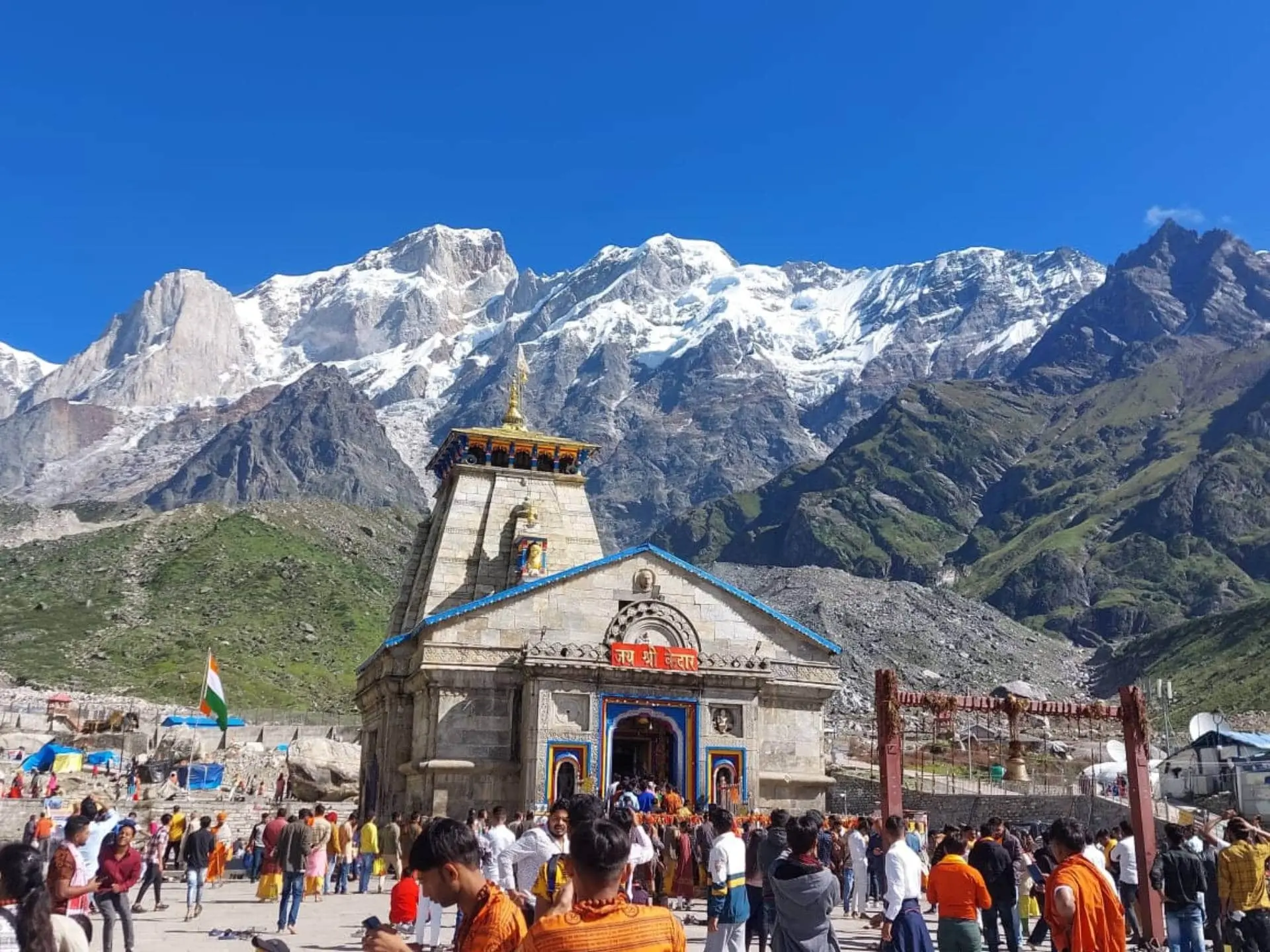
Kedarnath is one of India’s most sacred pilgrimage destinations and a symbol of unwavering faith. Located in the Rudraprayag district of Uttarakhand at an altitude of 3,583 meters (11,755 feet), the temple is dedicated to Lord Shiva and attracts millions of pilgrims every year. Surrounded by the majestic Himalayan mountains, Kedarnath is famous for its spiritual significance, ancient history, and breathtaking natural beauty. Here are six fascinating facts that make Kedarnath truly unique.
1. Kedarnath Is One of the Twelve Sacred Jyotirlingas
Kedarnath holds immense religious importance because it is one of the 12 Jyotirlingas of Lord Shiva. In Hinduism, a Jyotirlinga represents the infinite and radiant form of Shiva, making these shrines among the holiest places of worship. Devotees believe that visiting Kedarnath and offering prayers with a pure heart brings spiritual peace, removes negative karma, and helps one attain divine blessings. Because of this belief, pilgrims from all over India and abroad undertake the challenging journey to the temple despite its remote Himalayan location.
2. The Temple Has a Rich History and Mythological Connection
According to Hindu mythology, the Pandavas visited Kedarnath after the Mahabharata war to seek forgiveness from Lord Shiva for the destruction caused during the battle. Shiva, however, avoided them by taking the form of a bull. When the Pandavas recognized him, he disappeared into the ground, leaving behind his hump at Kedarnath. This hump is believed to be worshipped in the temple today. The remaining parts of Shiva’s body are said to have appeared at four other temples, collectively known as the Panch Kedar. The present stone temple is believed to have been rebuilt by the great philosopher Adi Shankaracharya in the 8th century, preserving this sacred site for future generations.
3. Built Without Modern Cement, Yet Standing Strong for Centuries
One of the most remarkable facts about Kedarnath Temple is its incredible architecture. The temple is constructed from massive stone blocks that were carefully cut and interlocked without using modern cement or steel. Considering its location in a region that experiences heavy snowfall, freezing temperatures, and occasional earthquakes, the temple’s durability is truly extraordinary. Historians and engineers continue to admire the advanced construction techniques used by ancient builders, which have allowed the temple to survive for more than a thousand years.
4. Kedarnath Miraculously Survived the 2013 Uttarakhand Floods
In June 2013, Uttarakhand experienced one of the worst natural disasters in its history. Massive floods and landslides devastated the Kedarnath valley, destroying homes, roads, and thousands of buildings around the temple. Surprisingly, the Kedarnath Temple itself remained largely intact. A huge boulder rolled down the mountain and stopped just behind the temple, diverting the powerful floodwaters and debris around the structure instead of directly hitting it. Many devotees regard this event as a divine miracle, while geologists explain that the boulder acted as a natural protective barrier. Regardless of perspective, the temple’s survival remains one of the most astonishing events in modern Indian history.
5. The Temple Opens Only for Six Months Each Year
Due to the extreme Himalayan climate, Kedarnath Temple cannot remain open throughout the year. Heavy snowfall during winter makes the area inaccessible for several months. Every year, the temple usually opens between April or May and closes around October or November, depending on the Hindu calendar and weather conditions. During the winter season, the idol of Lord Shiva is ceremonially moved to Ukhimath, where daily worship continues until the temple reopens. This centuries-old tradition ensures that religious rituals never stop, even when Kedarnath is covered in snow.
6. Reaching Kedarnath Is a Journey of Faith and Adventure
Unlike many famous temples in India, Kedarnath cannot be reached directly by road. Pilgrims must travel to Gaurikund, the last motorable point, and then complete a trek of approximately 16–18 kilometers through the Himalayas. The route passes scenic waterfalls, rivers, forests, and snow-covered peaks, making the journey as memorable as the destination itself. For elderly pilgrims or those with physical limitations, helicopter services, ponies, palkis (palanquins), and porters are also available. Although the trek can be physically demanding, many devotees believe that the effort strengthens their faith and makes the spiritual experience even more meaningful.
Conclusion
Kedarnath is much more than an ancient temple—it is a place where history, mythology, spirituality, and nature come together. From being one of the twelve sacred Jyotirlingas to surviving one of India’s worst natural disasters, the temple continues to inspire millions of people every year. Whether you visit for religious devotion, historical interest, or the beauty of the Himalayas, Kedarnath offers an unforgettable experience that leaves a lasting impression on every traveler.