India is home to some of the world’s oldest spiritual traditions. Every year, millions of devotees travel across mountains, forests, rivers, and deserts to visit sacred temples, shrines, monasteries, and holy rivers. These spiritual journeys are known as Yatras, a Sanskrit word meaning journey or pilgrimage.
Whether you’re seeking spiritual growth, cultural exploration, or breathtaking landscapes, Indian yatras offer an unforgettable experience.
“The journey itself becomes the destination when faith leads the way.”
What is a Yatra?
A Yatra is more than just a pilgrimage. It is considered a path toward self-discovery, devotion, and inner peace.
Unlike regular tourism, yatras often involve:
- Walking long distances
- Following traditional rituals
- Visiting multiple sacred locations
- Participating in community prayers
- Experiencing local culture and traditions
Many devotees believe that completing a sacred yatra brings spiritual purification and blessings.
Major Types of Indian Yatras
1. Himalayan Pilgrimages
The Himalayas are home to some of India’s holiest temples.
- Kedarnath Yatra
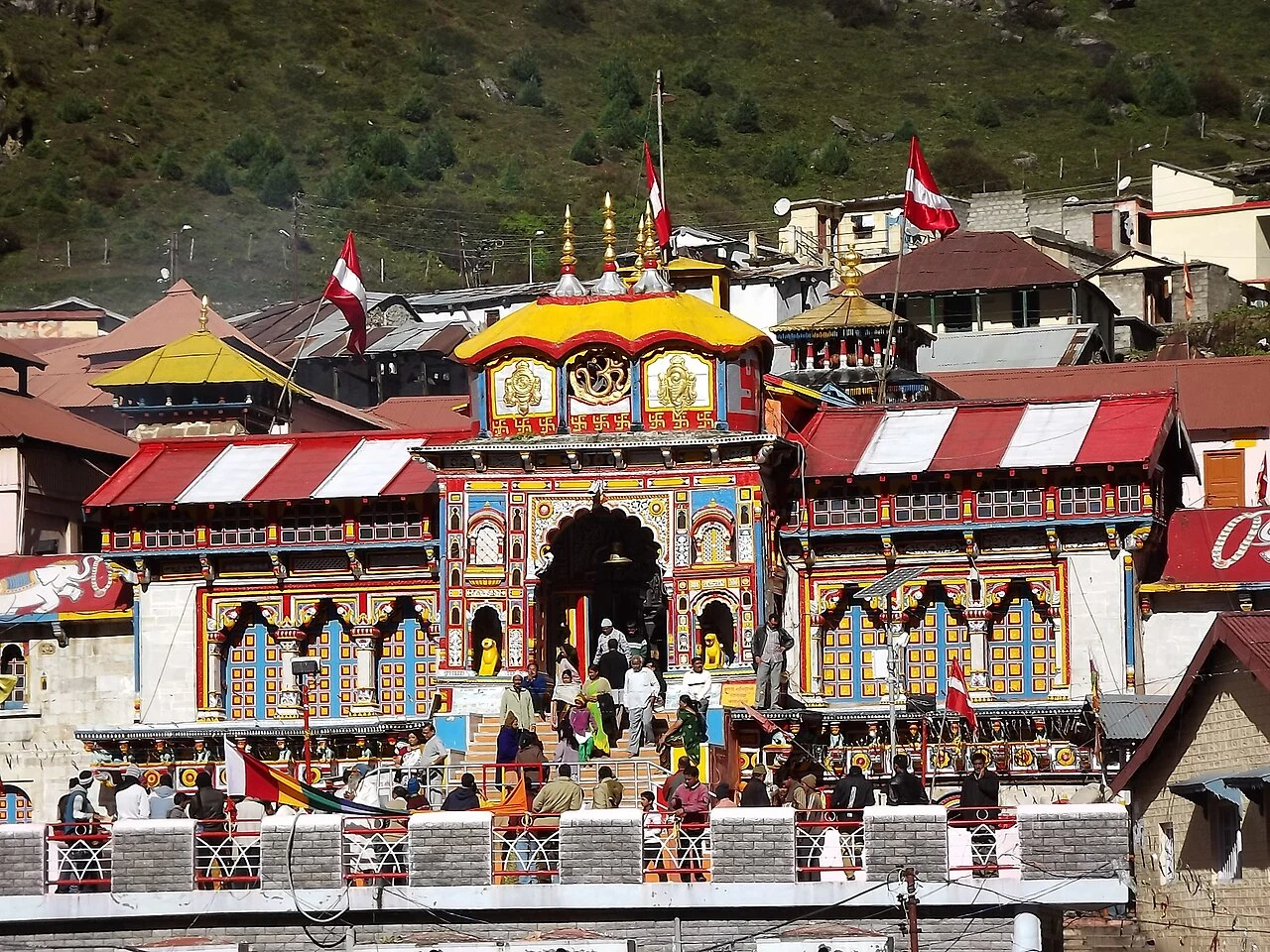
- Badrinath Yatra
- Amarnath Yatra
- Hemkund Sahib
These pilgrimages usually operate during summer because heavy snowfall closes the routes during winter.
2. Jyotirlinga Yatras
The twelve Jyotirlingas are sacred shrines dedicated to Lord Shiva.
Some famous Jyotirlingas include:
- Somnath
- Mahakaleshwar
- Omkareshwar
- Trimbakeshwar
- Kedarnath
- Kashi Vishwanath
3. Char Dham Yatra
The Char Dham pilgrimage is among the most important Hindu pilgrimages.
It includes four sacred shrines:
- Yamunotri
- Gangotri
- Kedarnath
- Badrinath
The journey is believed to wash away past sins and help attain spiritual liberation.
Why Do People Go on Yatras?
People participate in yatras for many different reasons.
Spiritual Reasons
- Seeking divine blessings
- Personal transformation
- Meditation and prayer
- Fulfilling family traditions
Cultural Reasons
- Learning regional customs
- Witnessing ancient rituals
- Exploring temple architecture
Adventure
Many Himalayan yatras include:
- Trekking
- Camping
- River crossings
- Mountain photography
Best Time to Visit
| Yatra | Best Season | Difficulty |
|---|---|---|
| Kedarnath | May – October | Moderate |
| Badrinath | May – November | Easy |
| Amarnath | July – August | Difficult |
| Vaishno Devi | Year Round | Easy |
| Jagannath Puri | June – July | Easy |
Essential Packing List
Before starting your pilgrimage, make sure to carry:
- Comfortable trekking shoes
- Raincoat
- Water bottle
- Medicines
- Power bank
- Warm clothes
- Torch
- Government ID
- Dry snacks
- First-aid kit
Important Travel Tips
Stay Hydrated
High-altitude journeys can quickly cause dehydration.
Respect Local Customs
Every temple has different traditions. Dress modestly and follow local guidelines.
Travel Light
Carry only essentials to make trekking easier.
Keep Emergency Contacts
Save local emergency numbers before beginning your journey.
Image Gallery
Caption: Kedarnath Temple surrounded by snow-covered Himalayan peaks.
Caption: Badrinath Temple during the summer pilgrimage season.
Caption: Thousands gather during the annual Rath Yatra festival.
Preparing Physically
Walking Practice
Walk at least 5 km daily for a few weeks before your trip.
Cardio Exercises
Good options include:
- Cycling
- Swimming
- Jogging
- Stair climbing
Medical Check-up
Older pilgrims should consult a doctor before high-altitude travel.
Common Challenges
Weather
Mountain weather changes rapidly.
Crowds
Popular yatras attract millions of visitors.
Accommodation
Advance booking is highly recommended.
Connectivity
Mobile networks may not work in remote areas.
Do’s and Don’ts
Do
- Respect religious customs
- Carry reusable water bottles
- Follow official routes
- Hire authorized guides
- Keep your surroundings clean
Don’t
- Litter on trekking routes
- Feed wild animals
- Ignore weather advisories
- Carry excessive luggage
- Enter restricted areas
Sample Itinerary
Day 1
- Arrival
- Hotel check-in
- Temple visit
Day 2
- Early morning darshan
- Trekking
- Evening aarti
Day 3
- Nearby sightseeing
- Return journey
Fun Facts
- India has thousands of pilgrimage destinations.
- Some yatras are over 1,000 years old.
- Millions of pilgrims participate every year.
- Several pilgrimage routes pass through UNESCO heritage regions.
Frequently Asked Questions
Is registration required?
Some pilgrimages require mandatory registration, especially in the Himalayas.
Can senior citizens participate?
Yes, provided they are medically fit.
Are children allowed?
Most yatras welcome families, though some high-altitude routes may not be suitable for very young children.
What should I wear?
Comfortable, modest clothing suitable for the weather.